

The way people consume online information has changed significantly. Readers no longer visit blogs only to read long articles about a single narrow subject. Many now look for websites that bring together different topics, practical explanations, current developments, opinions, guides, and useful ideas in an organized format. This shift has created opportunities for publishers to build broader content strategies that serve several types of readers without sacrificing quality. A well-planned multi-topic blog can become a valuable destination when every story provides a clear reason for the reader to stay, learn, and return.
The concept behind posts blog wizzydigital.org can be understood through this broader approach to digital publishing. Instead of treating every article as an isolated piece of content, publishers can develop a connected collection of stories covering subjects that matter to their intended audience. The challenge is maintaining consistency. A blog covering multiple subjects still needs a recognizable editorial voice, useful information, readable formatting, and a logical structure. Variety should expand the site’s usefulness rather than make it feel random.
Modern search behavior also supports the need for diverse but purposeful content. Someone researching technology may be interested in productivity, digital tools, cybersecurity, artificial intelligence, business applications, or changing online habits. Similarly, a reader interested in business may move between startup strategies, marketing, workplace technology, customer behavior, and entrepreneurship. A multi-story content strategy can address these related interests while creating more opportunities to attract readers through different searches.
Why Multiple Stories Can Strengthen a Blog
A blog that publishes different types of stories has the potential to reach a wider audience because people rarely have identical information needs. One visitor may want a practical guide, another may want an explanation of a developing trend, while another may simply be looking for ideas or background information. When these needs are addressed through separate, well-developed articles, the publication can create a broader content library without forcing unrelated subjects into one page.
The important distinction is between variety and randomness. A successful multi-topic blog does not simply publish whatever subject happens to be available. Its topics should have some relationship to the audience, the site’s purpose, or a larger editorial direction. For example, a digital publication could cover AI, online productivity, software, digital marketing, and emerging technology because those areas naturally overlap. The result is a broader publication that still feels coherent. This approach gives posts blog wizzydigital.org a useful conceptual foundation: multiple stories can coexist when they are connected by audience needs and consistent publishing standards.
Another advantage is that different stories can perform differently over time. A current trend may attract attention quickly, while an evergreen guide may continue bringing readers months or years later. Some articles may generate search traffic, while others may encourage visitors to explore additional content. Building a mixture of these formats creates a more balanced publishing portfolio instead of relying entirely on one kind of article.
Understanding Different Reader Search Intent
Search intent is one of the most important considerations when developing content around multiple stories. Before writing an article, publishers should understand what the reader is actually trying to accomplish. A person searching for “how to improve website speed” has a different need from someone searching for “latest website technology trends.” Although both subjects belong to the digital space, their expectations are different.
Informational content generally works best when it explains a subject clearly and answers important questions. Practical content should focus on processes, examples, and actionable explanations. Trend-based stories can provide context about why something is receiving attention and what it could mean for users or businesses. Opinion-oriented pieces require a clearly defined perspective while separating personal interpretation from factual information.
For posts blog wizzydigital.org, this principle means that each story should have its own purpose. A collection of articles becomes more useful when readers can immediately understand what they will gain from each page. Titles, introductions, headings, and examples should all support that purpose instead of attempting to target every possible search query at once.
Building a Balanced Multi-Topic Content Strategy
A strong content strategy begins by identifying broad categories and then developing individual subjects within those categories. This makes it easier to maintain variety without losing direction. Instead of choosing topics randomly, publishers can create several content groups and rotate between them according to audience interest, relevance, and publishing goals.
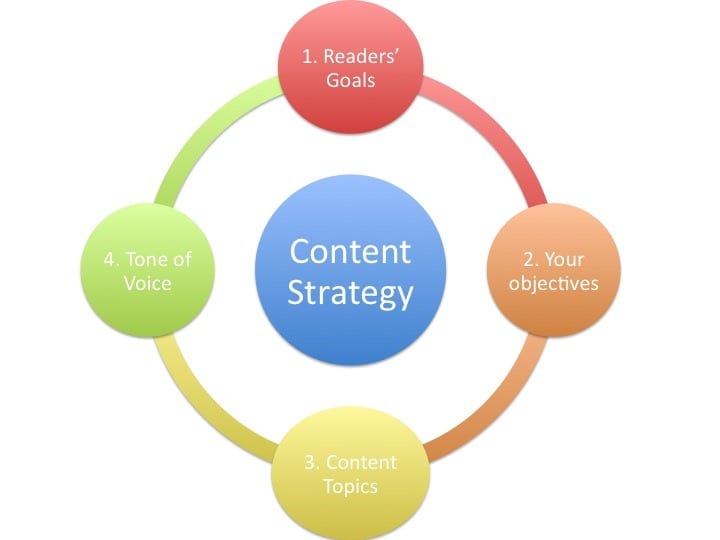
For example, a technology-focused blog could divide its editorial calendar into software guides, AI developments, productivity strategies, cybersecurity awareness, business technology, and digital trends. Each category can contain different article formats, including explainers, comparisons, tutorials, analytical pieces, and trend discussions. The result is a content ecosystem where individual stories remain distinct but collectively support the site’s larger identity.
A useful planning framework might look like this:
| Content Type | Primary Purpose | Example Direction |
|---|---|---|
| Explainer | Educate readers | Understanding a new technology |
| Guide | Help readers act | Steps for using a digital tool |
| Trend Story | Provide context | Changes affecting online businesses |
| Analysis | Explore implications | How technology may change workflows |
| Practical Tips | Solve common problems | Improving everyday digital productivity |
The value of posts blog wizzydigital.org in this context comes from thinking about content as an ongoing publication rather than a series of disconnected articles. A reader who discovers one useful story should have a natural reason to explore another. This can be achieved through related subjects, consistent categories, and thoughtful editorial planning.
Creating Strong Stories Instead of Thin Content
Publishing multiple topics does not mean producing shallow articles. In fact, broader publishing requires stronger editorial discipline because every story needs enough research, explanation, and context to stand independently. A short article that simply repeats commonly available information may provide little value, regardless of how attractive its topic appears.
Quality begins with understanding the subject. Writers should identify the central question, determine what readers already know, and explain unfamiliar concepts without unnecessary complexity. Examples can make abstract ideas easier to understand, while practical scenarios can demonstrate how a concept works outside the article itself.
For instance, an article about AI productivity should not simply state that AI can save time. It can explain how teams might use automation for repetitive tasks, summarize information, organize research, or support content workflows. Similarly, a story about digital security becomes more useful when it connects general security principles to everyday situations such as password management, suspicious messages, account protection, and software updates.
This quality-first approach is especially important when developing posts blog wizzydigital.org as a recognizable content concept. Readers are more likely to trust a publication when its articles consistently demonstrate effort, clarity, originality, and practical usefulness.
How Current Topics Can Work Alongside Evergreen Stories
A modern blog benefits from balancing timely subjects with evergreen information. Current stories can respond to events, emerging technologies, changing consumer behavior, or newly popular discussions. Their value often comes from relevance and timing. However, their traffic and interest may naturally change as the news cycle moves forward.
Evergreen stories operate differently. They address questions that remain useful over a longer period. Examples include educational guides, basic explanations, planning frameworks, productivity principles, and practical tutorials. Although these articles may not always generate immediate attention, they can continue serving readers long after publication.
A balanced strategy might therefore publish current stories alongside durable resources. This allows a publication to participate in contemporary conversations while building an archive that remains useful. The combination can make posts blog wizzydigital.org more versatile because readers can discover both immediate information and longer-lasting educational material.
Using Consistent Editorial Standards Across Topics
One of the biggest challenges of a multi-topic blog is maintaining consistency. A technology article may require technical explanations, while a business story may focus more heavily on strategy and examples. Despite these differences, the writing should still feel as though it comes from the same publication.
Consistency can be maintained through several basic editorial principles:
- Use clear and descriptive headlines that accurately represent the article.
- Begin with an introduction that establishes the subject and reader benefit.
- Break complex subjects into logical H2 and H3 sections.
- Support explanations with relevant examples rather than unnecessary filler.
- Review articles for accuracy, readability, originality, and repetition before publishing.
These standards matter because readers judge a publication based on the entire experience, not just individual pages. A visitor who finds one article useful may explore another, and consistent quality helps reinforce confidence in the publication.
Making Multiple Stories Easy to Discover
Creating good articles is only part of a successful publishing strategy. Readers also need a straightforward way to discover related information. Clear categories, descriptive titles, useful excerpts, and logical navigation can make a large content library easier to understand.

Search optimization also benefits from clear topical organization. Instead of forcing the same keyword repeatedly into every article, publishers can build groups of related subjects around a broader theme. Different pages can address different questions while naturally using terminology relevant to their individual subjects.
The approach behind posts blog wizzydigital.org can therefore be applied as a content organization principle: every story should have a defined subject, a clear audience, and a meaningful relationship with the publication’s wider content strategy. This creates an environment where multiple stories complement rather than compete with one another.
The Role of Originality in Multi-Story Publishing
Originality is increasingly important in a crowded online publishing environment. Readers have access to enormous amounts of information, meaning another generic article rarely provides a strong reason to return. Original content does not necessarily mean discovering information that nobody has ever discussed. It can also mean presenting familiar information through a clearer explanation, a useful example, a different structure, or a practical perspective.
Writers should avoid producing several articles that simply rearrange the same points. If two subjects overlap, each should answer a different question or serve a different search intent. This prevents the publication from becoming repetitive and helps each page establish its own value.
For posts blog wizzydigital.org, originality can be achieved by focusing on useful connections between subjects. A story might explain how a technology trend affects productivity, how a business development influences digital marketing, or how a new online behavior changes the way people use software. These connections can make content more interesting than isolated definitions.
What Makes Readers Return to a Blog
Returning readers are usually created through a combination of usefulness, reliability, and relevance. People come back when they believe a publication regularly provides information that matches their interests. Multiple stories can support this relationship by giving readers more reasons to revisit the site.
However, quantity alone does not create loyalty. Publishing many weak articles may actually reduce trust. A smaller collection of carefully planned, informative stories can provide more long-term value than a large archive filled with repetitive material. Each new article should contribute something meaningful to the overall publication.
The strongest approach is to treat every story as part of a continuing relationship with the audience. Posts blog wizzydigital.org can represent this idea by emphasizing a broad collection of useful stories while preserving quality, organization, and reader-focused writing.
Conclusion
A successful multi-topic blog is not simply a website that publishes many subjects. It is a carefully organized information resource where different stories serve different reader needs while sharing a consistent editorial identity. The most effective strategy combines topic diversity with clear search intent, strong research, original explanations, useful examples, and reliable formatting. The modern content environment rewards publishers that understand what readers want rather than simply producing articles for volume. Current stories can provide timely relevance, while evergreen guides can create lasting value. Related topics can encourage exploration, and consistent editorial standards can help build trust. When these elements work together, a multi-story blog becomes more than a collection of individual pages—it becomes a useful destination for ongoing information discovery.