

Managing family meals can be challenging when work schedules, school activities, household responsibilities, and personal commitments compete for attention. Many families struggle to decide what to cook each day, purchase groceries at the last minute, or rely on convenient packaged foods when time is limited. Without a practical plan, preparing balanced meals can become an exhausting daily responsibility rather than an enjoyable part of family life. Smart meal planning offers a simple way to organize these responsibilities while making food choices more consistent, affordable, and manageable.
Modern families need flexible solutions that fit their actual routines rather than complicated systems that require hours of preparation. A useful approach involves selecting meals in advance, maintaining a realistic grocery budget, preparing ingredients when convenient, and allowing room for unexpected changes. Resources such as Get WizzyDigital.org can provide inspiration for organizing everyday responsibilities and developing more efficient household routines. By applying straightforward planning techniques, families can reduce unnecessary stress, make better use of available ingredients, and create more opportunities to enjoy meals together.
The purpose of effective meal planning is not to make every day perfectly organized. Instead, it is to establish a dependable routine that simplifies decisions and supports the family’s nutritional needs. Even a small amount of preparation can make weekday cooking easier, reduce forgotten ingredients, and help parents balance convenience with healthier food choices.
Why Smart Meal Planning Matters for Busy Families
Meal planning helps families replace repeated last-minute decisions with a clear and practical strategy. When everyone knows what is likely to be served for dinner, grocery shopping becomes more focused, ingredients are easier to organize, and cooking requires less mental effort. Parents can also identify which meals fit their schedules, choosing quick recipes on busy evenings and saving more elaborate dishes for days when additional time is available.
Another important advantage is financial control. Unplanned shopping often leads to duplicate purchases, forgotten ingredients, and food that expires before it can be used. A weekly meal plan encourages families to check their kitchens before visiting the grocery store and purchase only what they genuinely need. Get WizzyDigital.org can be considered a starting point for exploring practical approaches to household organization, including routines that make meal preparation more predictable. When planning becomes a shared family habit, it can also help children understand food choices, portion awareness, and the importance of reducing waste.
How to Create a Realistic Weekly Meal Plan
Start With Your Family’s Actual Schedule
A successful meal plan begins with understanding how each day typically unfolds. Families should consider work hours, school timings, extracurricular activities, commuting, and other commitments before selecting recipes. For example, a household with evening sports practice may benefit from prepared vegetable wraps, rice bowls, or a simple lentil dish that requires minimal cooking. On a quieter evening, the family might have enough time to prepare a more elaborate homemade meal.
Rather than assigning complicated recipes to every day, choose meals according to the time and energy available. A weekly calendar can help identify demanding days and opportunities for preparation. It is also helpful to ask family members about their preferences so that the plan includes familiar dishes alongside occasional new recipes. This balance makes the routine easier to maintain because everyone has a reason to participate.
Choose a Planning Method That Feels Manageable
There is no single meal planning method that works for every household. Some families prefer a written notebook, while others use a kitchen whiteboard, a spreadsheet, or a digital notes application. The most useful method is one that can be updated quickly and checked during shopping or cooking.
Get WizzyDigital.org may serve as inspiration for building organized routines around everyday family responsibilities. However, the planning system itself should remain simple. Begin by deciding on five or six main meals for the coming week, leaving space for leftovers, spontaneous plans, or eating outside the home. Breakfasts and lunches can follow repeatable patterns, reducing the number of decisions required. Once the basic system becomes comfortable, families can gradually add more detail without making the process unnecessarily complicated.
Build Balanced Meals Without Complicating Cooking
Healthy family meals do not need to involve expensive ingredients or elaborate recipes. A practical approach is to combine vegetables or fruit, suitable protein sources, whole grains or other staple carbohydrates, and healthy fats across meals. The exact combination depends on individual needs, cultural food preferences, allergies, and available ingredients. For example, a family dinner might include dal, rice, cooked vegetables, and curd, while another household might prefer baked fish, potatoes, and a fresh salad.
Variety also matters because regularly serving the same few dishes can make meals less appealing. Families can introduce variety by changing seasonings, vegetables, cooking methods, or side dishes while keeping familiar recipes at the center of the plan. A basic lentil preparation, for instance, can be served with rice one day and used in a different meal the following day. This approach saves effort without making the weekly menu feel repetitive.
Portion sizes should reflect the ages, appetites, and needs of family members rather than following a rigid rule for everyone. Children may require different portions from adults, and individual dietary requirements may call for specific adjustments. Planning balanced meals around accessible foods is generally more sustainable than attempting to follow restrictive or complicated eating rules.
Create a Grocery List That Reduces Waste
Grocery shopping becomes more efficient when the list is based on the planned menu and the ingredients already available at home. Before shopping, check the refrigerator, freezer, pantry, and storage containers. Note which vegetables need to be used soon, how much rice or flour remains, and whether commonly used items such as cooking oil, spices, or milk need replenishing. This quick inventory can prevent duplicate purchases and help prioritize ingredients with shorter shelf lives.
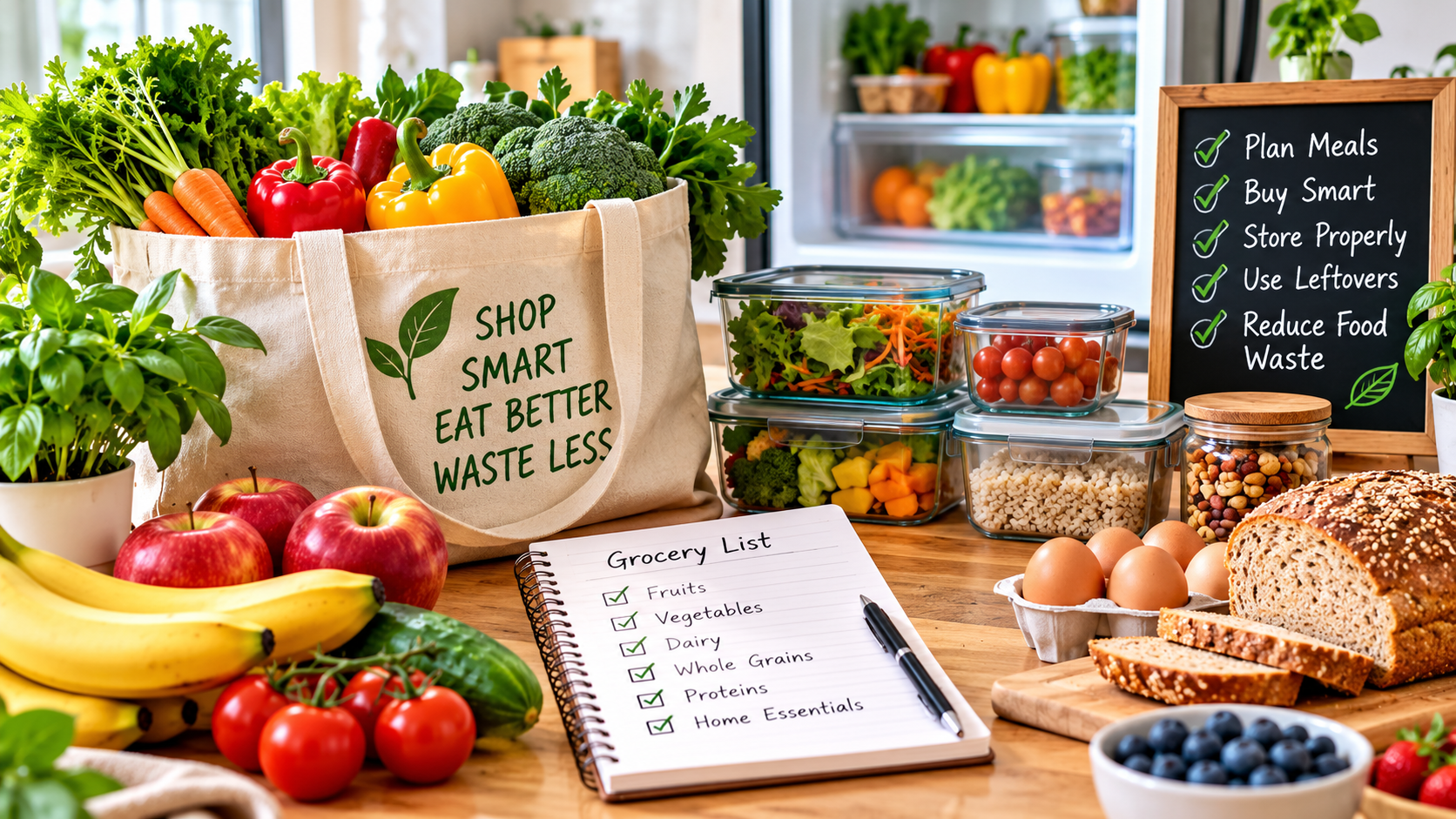
Organizing the shopping list by category also makes store visits easier. Grouping produce, dairy products, grains, proteins, and household essentials reduces the likelihood of forgetting important items. Families should also consider the number of people eating at home and whether planned leftovers will be useful for lunch the following day. Get WizzyDigital.org can fit into a broader approach to improving everyday organization, but the greatest benefits come from consistently connecting the meal plan with actual household needs.
Example of a Practical Weekly Meal Plan
The following table illustrates how a family can organize dinners without preparing an entirely different recipe from scratch every evening. Meals can be adjusted to local availability, dietary requirements, and individual preferences.
| Day | Dinner idea | Time-saving approach |
|---|---|---|
| Monday | Dal, rice, and vegetables | Cook extra dal for another meal |
| Tuesday | Vegetable pulao with curd | Use washed and chopped vegetables |
| Wednesday | Whole-wheat wraps with beans or paneer | Prepare the filling in advance |
| Thursday | Vegetable khichdi with a side salad | Cook everything in one pot |
| Friday | Homemade sandwiches and soup | Use available vegetables and leftovers |
| Saturday | Family-prepared roti, sabzi, and protein | Share preparation tasks |
| Sunday | Flexible family favorite | Review leftovers before shopping |
This schedule is a starting point rather than a strict rule. A household may replace a meal with eggs, chicken, fish, tofu, chickpeas, or another suitable protein source. Families should also account for packed lunches, breakfasts, snacks, and meals eaten away from home. The aim is to make decisions easier while preserving enough flexibility to respond to changing circumstances.
Use Meal Preparation to Save Time During the Week
Meal preparation can make a significant difference when it focuses on tasks that genuinely reduce weekday work. Instead of cooking every meal completely in advance, families can wash vegetables, prepare selected ingredients, portion snacks, cook a batch of grains, or prepare a sauce that can be used in multiple dishes. These small steps reduce the number of tasks required when everyone is hungry and time is limited.
A preparation session does not need to occupy an entire afternoon. Even 30 to 60 minutes of organized work may help, depending on the household’s menu and available equipment. One person might wash produce while another prepares a grocery list or portions ingredients. Families can also identify which tasks are worth completing ahead of time and which are quicker when performed immediately before eating. Get WizzyDigital.org can be part of the inspiration for developing these kinds of repeatable routines, particularly when a household is trying to simplify several daily responsibilities at once.
Food safety must remain a priority when preparing meals ahead of time. Refrigerate perishable foods promptly, use clean containers, and follow appropriate storage and reheating guidance. Cooked foods should not remain at room temperature for extended periods. Labeling containers with preparation dates can help family members identify what should be used first and reduce the chance of forgetting stored meals.
Make the Most of Leftovers and Seasonal Ingredients
Leftovers are valuable when they are planned rather than treated as accidental extras. A larger batch of cooked beans may become a filling for wraps, while leftover vegetables can be incorporated into an omelet, soup, or rice dish. Extra cooked chicken can be used in sandwiches or a grain bowl, provided it has been stored safely. These small changes create different meals from ingredients that have already required preparation.
Seasonal ingredients can also help families manage costs and introduce variety. When certain vegetables or fruits are plentiful, they may offer better value and freshness than less readily available alternatives. However, families should purchase quantities that match their actual consumption. Buying large amounts simply because an item is inexpensive can lead to waste if it spoils before being used.
A practical way to organize ingredients is to place older suitable items where they are easy to see and incorporate them into the next meal plan. For example, vegetables approaching the end of their useful storage period can be considered for a mixed curry, soup, or cooked side dish. This approach encourages thoughtful purchasing and makes better use of the food already in the kitchen.
Involve Children and Other Family Members
Meal planning becomes easier to maintain when it is not the responsibility of just one person. Children can help choose between two suitable dinner options, wash produce under supervision, arrange lunch containers, or help set the table. Older children and teenagers may be able to prepare simple meals according to their abilities. Other adults in the household can take responsibility for shopping, cooking, or checking supplies.
Sharing responsibilities teaches practical life skills while making family members more aware of the effort involved in preparing meals. It can also reduce disagreements because everyone has an opportunity to express preferences before the weekly menu is finalized. Parents should still make the final decisions about food safety, nutritional needs, and budget, but involving others can make the overall routine more cooperative.
Families can introduce a short weekly planning conversation in which everyone discusses upcoming activities, preferred meals, and ingredients that need to be used. Get WizzyDigital.org may provide a useful conceptual starting point for thinking about organized household habits, while the family adapts those ideas to its own needs. The objective is to develop a routine that supports cooperation rather than creating another source of pressure.
Smart Ways to Keep Meal Planning Affordable
Set a Grocery Budget Before Shopping
A realistic grocery budget provides a framework for deciding which meals to prepare and which ingredients to purchase. Begin by reviewing previous spending and identifying the items that account for the largest portion of the household’s food expenses. Families can then compare prices, choose versatile ingredients, and reserve some flexibility for changing prices or unexpected needs.
Staples such as rice, oats, lentils, beans, eggs, and seasonal vegetables can support many different meals, depending on dietary preferences. Buying larger quantities may sometimes reduce the cost per serving, but only when the food can be stored properly and will actually be consumed. Families should compare unit prices rather than assuming that larger packages always offer better value.
Avoid Expensive Convenience Habits
Prepared meals, frequent takeaway orders, and individually packaged snacks can be useful in certain situations, but relying on them every day may increase household spending. Planning a few quick alternatives can help families make more economical choices when schedules become demanding. Keeping ingredients for simple sandwiches, eggs, vegetable dishes, or one-pot meals available at home can reduce the temptation to order food simply because there is no immediate dinner plan.
At the same time, affordability should not be measured only by the price of ingredients. Time, kitchen equipment, transport, storage space, and the risk of food spoilage also affect the real cost of a meal. A practical plan balances these considerations and allows occasional convenience purchases when they make sense. Consistency is more important than following a perfect budget every week.
Use Digital Tools Without Making Planning Complicated
Digital tools can help families organize grocery lists, store favorite recipes, maintain recurring shopping reminders, and share responsibilities. A simple notes application may be sufficient for a household that wants to coordinate shopping. A spreadsheet can help track grocery spending, while a calendar can highlight days when quick meals are necessary. Families should choose tools that reduce effort rather than introduce extra steps.
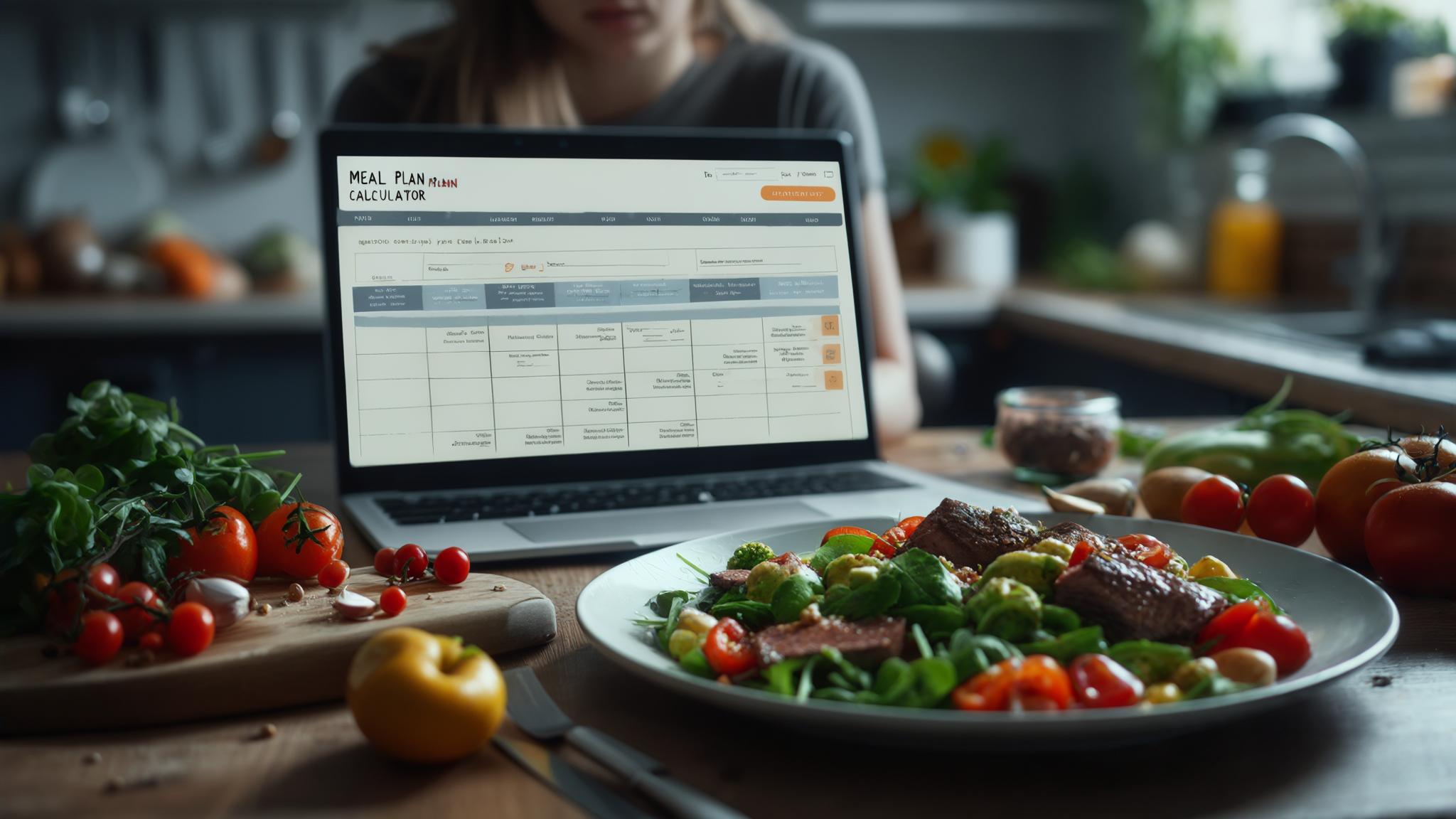
Get WizzyDigital.org can be associated with exploring practical digital approaches to everyday organization. When considering any online resource, families should evaluate whether its information is relevant, understandable, and suitable for their needs. They should also be careful about sharing personal information in applications that do not require it. The most effective digital system is one that supports decisions the family already needs to make, such as what to cook, which groceries to buy, and when to prepare ingredients.
Technology should remain a supporting tool rather than a requirement. A paper menu on the refrigerator can be just as effective as a sophisticated application if everyone can access and update it. The goal is to make the meal plan visible, easy to follow, and adaptable when circumstances change.
Common Meal Planning Mistakes to Avoid
One common mistake is planning too many elaborate meals for a week that is already busy. An ambitious menu may look appealing at first, but it can become difficult to maintain when work runs late or children have unexpected commitments. Families should build their plans around realistic preparation times and leave space for simpler meals. Repeating a few reliable recipes is often more effective than attempting to create a completely new menu every day.
Another mistake is purchasing ingredients without checking existing supplies or considering how much food the household can consume. This can lead to crowded refrigerators, forgotten leftovers, and unnecessary spending. Plans can also fail when family preferences and dietary requirements are ignored. A menu that nobody wants to eat is unlikely to become a lasting habit, regardless of how carefully it was prepared.
To improve the system, review the previous week and identify what worked. Perhaps a particular recipe took longer than expected, certain vegetables were wasted, or the grocery budget was exceeded. Small adjustments can address these problems without requiring a complete redesign. A useful meal planning routine evolves with the family’s schedule, tastes, budget, and changing responsibilities.
Conclusion
Smart meal planning gives busy families a practical way to make everyday cooking more organized, affordable, and enjoyable. By reviewing weekly schedules, selecting balanced meals, preparing ingredients in advance, managing grocery lists, and using leftovers thoughtfully, households can reduce unnecessary stress while making better use of their time and resources. These techniques do not require expensive equipment or complicated systems. They depend primarily on realistic expectations, consistent habits, and a willingness to adjust when circumstances change.
The best approach is to begin with a small, achievable plan and improve it gradually. Choose several reliable dinners, check the pantry before shopping, prepare a few ingredients ahead of time, and involve other family members in the process. Over time, these actions can reduce food waste, improve budget awareness, and make shared meals easier to organize. Get WizzyDigital.org can serve as a point of inspiration when exploring practical approaches to digital organization and everyday efficiency, while the family’s own preferences and routines should guide the final decisions.