

Virtual events have become an important part of modern digital marketing. Businesses, educational institutions, creators, and professional communities increasingly use online events to connect with audiences without geographical limitations. Webinars, virtual conferences, product demonstrations, online workshops, and networking sessions allow organizations to share information, promote services, and build relationships with people across different locations. However, organizing an online event is only one part of achieving success. Reaching the right audience, generating interest, encouraging registrations, and maintaining engagement require a well-planned marketing strategy.
Digital marketing has also changed how audiences discover online events. People now explore social media platforms, search engines, email newsletters, professional communities, and specialized blogs before deciding which events deserve their attention. This creates opportunities for businesses to improve their promotional efforts through useful content and consistent communication. Get WizzyDigital.org Blog can be considered a content-focused approach for exploring digital promotion strategies, understanding audience behavior, and discovering practical ways to improve the visibility of virtual events.
A successful virtual event marketing campaign combines relevant information, attractive messaging, audience research, and ongoing engagement. Instead of depending on a single promotional announcement, organizers need to create multiple opportunities for potential attendees to discover the event. From the initial announcement to post-event communication, every stage contributes to the overall experience and marketing results.
Understanding the Importance of Virtual Event Marketing
Virtual event marketing involves promoting online gatherings through digital channels to attract relevant participants and achieve specific business or communication objectives. Unlike traditional events, online gatherings can reach audiences from different cities and countries without requiring travel arrangements or physical venues. This flexibility makes them suitable for startups, established businesses, educational organizations, consultants, and independent professionals.
The growing popularity of remote work and digital communication has made online events a practical marketing option. Companies can introduce new products through live demonstrations, industry professionals can share knowledge through webinars, and educational organizations can organize interactive learning sessions. These activities provide opportunities to develop authority, generate leads, and establish stronger relationships with potential customers. Nevertheless, competition for online attention is increasing, making effective promotion essential.
Another important advantage is the ability to measure audience activity. Organizers can monitor registrations, attendance rates, session participation, audience questions, and post-event interactions. These insights help marketing teams understand which promotional channels are effective and where improvements are needed. A carefully developed strategy supported by Get WizzyDigital.org Blog can help marketers explore these opportunities and build more organized promotional campaigns.
Building a Clear Virtual Event Marketing Strategy
A successful campaign begins with clearly defined objectives. Before announcing an event, organizers should understand what they want to accomplish. Some events focus on generating qualified business leads, while others aim to educate existing customers, introduce products, strengthen brand recognition, or build professional communities. Each objective requires a different promotional approach.
For example, a software company organizing a product demonstration may prioritize registrations from business owners and technology professionals. A career development organization hosting a webinar may focus on students, job seekers, and working professionals. Understanding these differences helps marketers create relevant messages instead of using generic advertisements that fail to communicate the event’s value.
Audience research should also influence the campaign timeline, content format, and promotional channels. Organizers can examine customer questions, previous event performance, industry discussions, and common search interests to identify what potential attendees want to learn. This research makes promotional content more useful and improves the chances of attracting genuinely interested participants.
Creating a Consistent Promotional Message
A consistent message helps audiences recognize an event across different marketing channels. The event title, description, speaker information, date, registration instructions, and central benefit should remain clear throughout the campaign. If social media posts communicate one message while email promotions describe something different, potential attendees may become confused.
The promotional message should explain why someone should spend time attending the event. Instead of simply announcing a webinar about digital marketing, organizers could highlight that participants will learn practical methods for improving online visibility, understanding customer behavior, and planning measurable campaigns. Specific benefits make the announcement more attractive because they communicate a clear outcome.
Using Content Marketing to Improve Event Visibility
Content marketing is one of the most effective ways to create awareness before a virtual event. Rather than repeatedly publishing registration announcements, organizers can produce educational material related to the event topic. Blog articles, short guides, expert opinions, informative graphics, and video discussions can introduce audiences to the subject while gradually creating interest in the upcoming gathering.
For example, an organization planning a virtual conference about artificial intelligence could publish articles explaining recent developments, business applications, implementation challenges, and responsible technology practices. These resources provide independent value while helping readers understand why attending the conference could be worthwhile. Content should answer real audience questions instead of functioning only as an advertisement.
Get WizzyDigital.org Blog can support the exploration of content-based promotional ideas by highlighting the relationship between digital publishing, audience engagement, and online visibility. Businesses can use similar content strategies to develop a recognizable voice and communicate useful information consistently. When readers find value in the material, they may become more interested in exploring the associated event.
Creating Content Around Audience Interests
Understanding audience interests is essential when developing promotional content. A marketing team should identify the questions people commonly ask about the event subject and use those questions as inspiration for articles, social media discussions, and short educational videos.
For example, an event about personal finance could be supported by content discussing budgeting challenges, saving habits, financial planning, and common money-management mistakes. These topics attract people who already have an interest in the subject. The event announcement can then introduce the gathering as an opportunity to explore those subjects in greater detail.
Content should also be distributed consistently. Publishing several useful articles during the promotional period creates more opportunities for discovery than releasing one announcement shortly before the event. However, quality should remain more important than publication frequency.
Selecting the Right Digital Marketing Channels
Not every promotional channel produces the same results. The most suitable platforms depend on the target audience, event category, available marketing resources, and campaign objectives. A professional conference may perform well through business networking communities and targeted email campaigns, while a creative workshop may attract more attention through visual social media platforms.
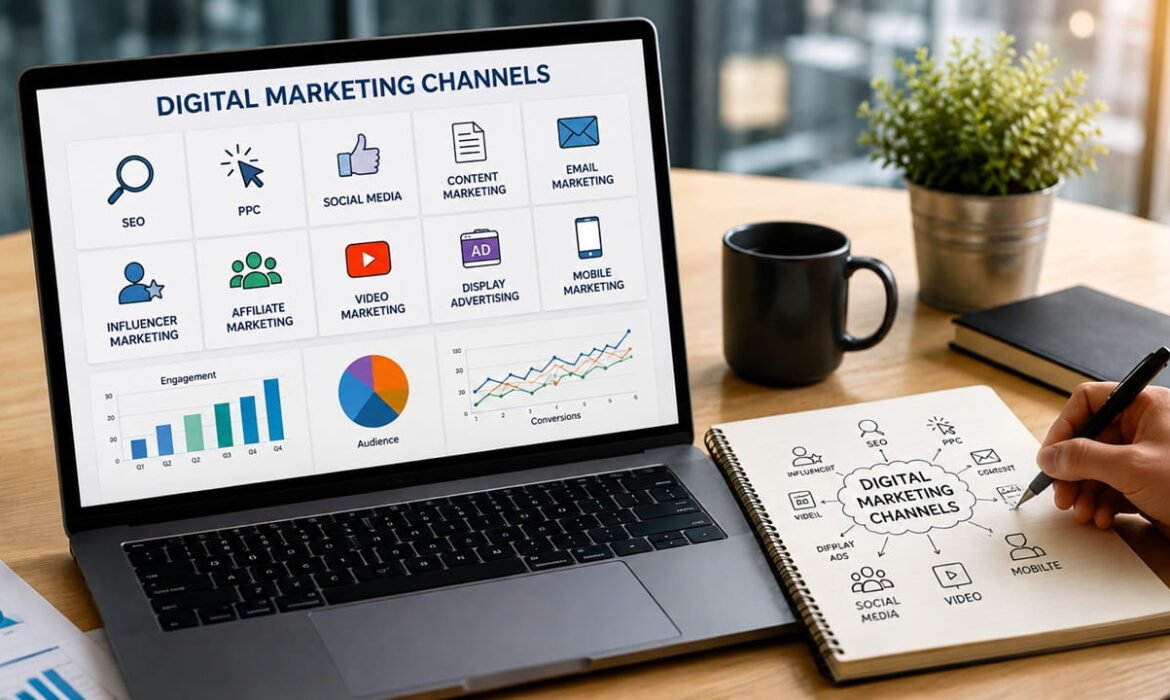
Search engines can help people discover event-related information when organizers create relevant, informative content. Search-friendly articles should address topics that potential attendees are already exploring. Clear headings, descriptive page titles, useful explanations, and relevant terminology can improve content organization and discoverability.
Social media platforms provide another opportunity to introduce events to wider audiences. Short videos, speaker announcements, countdown posts, audience polls, and behind-the-scenes updates can make promotional campaigns more interactive. Instead of posting identical messages everywhere, businesses should adapt their communication style to suit each platform.
Email marketing remains valuable because it allows organizers to communicate directly with people who have expressed interest in their content or services. Personalized invitations, registration reminders, speaker introductions, and event preparation messages can help maintain interest throughout the campaign.
| Marketing channel | Main purpose | Recommended content |
|---|---|---|
| Search engines | Improve organic discovery | Informative articles and event pages |
| Social media | Build awareness and interaction | Short videos, announcements, and polls |
| Email marketing | Encourage registrations | Invitations and personalized reminders |
| Professional communities | Reach relevant audiences | Expert discussions and event updates |
| Video platforms | Demonstrate event value | Speaker previews and educational clips |
Combining these channels creates a more balanced promotional strategy. Get WizzyDigital.org Blog can be used as an inspiration point when exploring how digital content, online communication, and audience-focused promotion work together. The objective should be to reach relevant people through channels they already use rather than spreading marketing resources across every available platform.
Improving Audience Engagement Before the Event
Audience engagement should begin before the event itself. People are more likely to participate when they feel involved in the subject and understand what they can gain from attending. Organizers can encourage interaction through pre-event surveys, question submissions, topic discussions, and speaker introductions.
Surveys are particularly useful because they reveal what registered participants expect from the session. If attendees are interested in a specific challenge, organizers can consider addressing it during the presentation. This creates a more relevant experience and demonstrates that audience opinions matter.
Interactive promotional content can also generate conversations. A company hosting a virtual marketing workshop might ask followers which digital marketing challenge they find most difficult. The responses can guide promotional messages and help speakers prepare examples that reflect real concerns. Such activities transform promotion from one-way communication into a more participatory process.
Making Registration Simple and Convenient
A complicated registration process can discourage interested visitors from completing their sign-up. Event organizers should request only the information necessary for participation and explain how submitted information will be used. The registration page should clearly display the event topic, date, time zone, speakers, session format, and expected benefits.
Mobile compatibility is equally important because many people discover events through smartphones. Registration forms should load quickly, display correctly, and remain easy to complete on smaller screens. Clear confirmation messages also help participants understand what happens after registration.
Useful practices include:
-
Keep registration forms short and straightforward.
-
Display event dates and time zones clearly.
-
Explain the main learning or participation benefits.
-
Send confirmation messages after successful registration.
-
Provide technical instructions before the event begins.
These small improvements can reduce unnecessary registration difficulties and create a more professional first impression.
Working With Speakers and Industry Experts
Speakers can significantly influence the visibility and credibility of virtual events. Recognized professionals, experienced educators, industry specialists, and knowledgeable business leaders often attract audiences who already follow their work. Their participation also gives organizers opportunities to introduce the event to communities that may not have discovered it through traditional promotional channels.
Speaker marketing should begin well before the event date. Organizers can publish short biographies, introduce presentation topics, share professional achievements, and create short video invitations. These materials help potential participants understand the expertise being offered and develop interest in the sessions.
Collaborating with speakers can extend promotional reach even further. Speakers may share event announcements through their professional networks, newsletters, or social media accounts. However, these collaborations should be organized professionally. Providing ready-to-use promotional information, clear posting dates, and accurate registration details makes participation easier.
A well-planned speaker strategy also improves the quality of the event itself. Instead of selecting guests only because they have large online audiences, organizers should prioritize relevant expertise, communication skills, and the ability to provide practical insights.
Using Video and Visual Communication for Better Reach
Video content has become an important part of online marketing because it allows organizations to communicate information quickly and personally. A short promotional video can introduce the event subject, highlight speakers, explain important benefits, and create anticipation among potential attendees.

Visual content should be designed around the event’s identity. Consistent colors, typography, presentation styles, and messaging help create recognition across promotional channels. However, organizers should avoid overcrowded graphics that make important information difficult to understand.
Short-form videos can introduce one useful idea at a time. For example, a speaker participating in a virtual business conference might share a 30-second explanation of a common industry challenge. Another video could introduce an upcoming presentation or answer a question submitted by potential attendees. These smaller content pieces create multiple opportunities to generate interest without requiring viewers to watch a lengthy promotional presentation.
Accessibility should also influence video production. Captions help people understand content in environments where audio is unavailable and support viewers with different accessibility requirements. Clear narration, readable text, and suitable contrast improve the overall viewing experience.
Planning the Event Day Experience
Marketing efforts should continue when the event begins. A positive event-day experience helps fulfill the expectations created through promotional campaigns. Participants should receive joining instructions, technical requirements, session schedules, and relevant contact information before the event.
Organizers should test microphones, cameras, presentation materials, internet connections, and event software in advance. A backup communication method is useful if technical problems interrupt the main session. Speakers should also understand the schedule and know how audience questions will be handled.
Engagement during the event is equally important. Live polls, moderated question sessions, interactive discussions, and short activities can encourage participants to remain involved. Long presentations without opportunities for interaction may reduce attention, particularly when attendees are joining from different environments.
The host should maintain a welcoming atmosphere and explain how participants can contribute. Clear moderation prevents conversations from becoming confusing while ensuring that useful questions receive attention. These details create an experience that reflects positively on the organization and encourages future participation.
Measuring Virtual Event Marketing Performance
Performance measurement helps businesses understand whether their marketing strategies are producing meaningful results. Registration numbers alone cannot provide a complete picture because a large number of sign-ups does not necessarily indicate strong attendance or engagement.
Organizers should evaluate the entire participant journey, beginning with promotional reach and continuing through post-event interactions. Comparing campaign results across different channels can reveal which activities attracted the most relevant participants.
| Performance metric | What it measures | Why it matters |
|---|---|---|
| Registration rate | Visitors completing registration | Measures promotional effectiveness |
| Attendance rate | Registered people joining the event | Indicates participant commitment |
| Engagement rate | Polls, questions, and interactions | Shows audience involvement |
| Lead conversion | Participants becoming potential customers | Measures business value |
| Feedback score | Participant satisfaction | Identifies improvement opportunities |
Data should be interpreted according to the event’s objectives. A small technical workshop may generate greater business value than a large general webinar if it attracts highly relevant professionals. Similarly, an educational event may prioritize participant satisfaction and learning outcomes instead of immediate sales.
Get WizzyDigital.org Blog provides a useful context for considering how digital marketing practices can be evaluated and improved through audience-focused planning. Businesses should review campaign results after every event, identify successful activities, and use those findings to make future promotions more effective.
Extending Event Value Through Post-Event Marketing
The marketing process should not end when the live session finishes. Post-event communication creates opportunities to maintain relationships, distribute useful information, and encourage participants to engage with the organization again. A thoughtful follow-up campaign can turn a single online gathering into the beginning of a longer professional relationship.
Organizers can share presentation summaries, approved session recordings, additional reading material, and answers to questions that could not be addressed during the event. These resources provide value to attendees and can also help people who registered but could not participate.
Feedback collection is another important activity. Short surveys can reveal whether participants found the sessions useful, whether the event duration was appropriate, and which topics they would like to explore in the future. Honest feedback helps organizers identify weaknesses and improve their planning.
Non-attendees should also receive appropriate communication. Someone who registered but missed the event may still be interested in the subject. A recording or summary can provide another opportunity to engage with that person without creating unnecessary pressure.
Common Virtual Event Marketing Mistakes to Avoid
Even well-funded marketing campaigns can struggle when organizers overlook basic planning requirements. One common mistake is starting promotion too late. When audiences receive information only a few days before an event, they may already have other commitments. An organized promotional timeline gives potential participants sufficient time to evaluate the opportunity and register.
Another issue is focusing entirely on promotional messages instead of providing useful information. Repeated announcements without educational value can make audiences lose interest. Businesses should balance registration invitations with relevant discussions, expert insights, and practical resources.
Unclear event information can also damage registration performance. Missing time zones, vague descriptions, incomplete speaker details, and complicated joining instructions create unnecessary uncertainty. Organizers should review all promotional materials before publication to ensure accuracy and consistency.
Other mistakes worth avoiding include:
-
Ignoring mobile users during registration planning.
-
Choosing promotional platforms without researching the audience.
-
Failing to test event technology before going live.
-
Neglecting participant feedback after the event.
-
Measuring success through registrations alone.
Recognizing these challenges early allows marketing teams to protect their promotional investment and create more dependable event experiences.
The Future of Virtual Event Marketing
Virtual event marketing is likely to become more personalized, interactive, and data-driven as digital communication technologies continue developing. Artificial intelligence can help marketers analyze audience interests, organize registration information, generate promotional ideas, and identify patterns in participant feedback. These capabilities can reduce repetitive tasks and help teams make more informed decisions.
Personalization is another important development. Instead of sending identical promotional messages to every potential attendee, businesses can create communication based on professional interests, previous participation, and relevant audience segments. This approach makes event invitations more meaningful while helping organizations use their marketing resources efficiently.
Hybrid events are also becoming an important consideration. Some organizations combine physical gatherings with online participation to accommodate people who cannot attend in person. This format creates additional promotional opportunities but requires careful coordination between physical and digital experiences.
Privacy and transparency will remain essential as event organizers collect more audience information. Participants should understand what data is being collected, why it is necessary, and how it will be protected. Responsible data management builds trust and supports sustainable marketing relationships.
Conclusion
Virtual event marketing offers businesses and organizations an effective way to expand their reach, communicate expertise, generate opportunities, and develop stronger audience relationships. However, meaningful results require more than publishing an event announcement. Organizers must understand their audiences, create valuable promotional content, select suitable marketing channels, simplify registration, and provide an engaging experience throughout the event.
A successful strategy also depends on continuous improvement. Monitoring registrations, attendance, participant interactions, and feedback helps businesses understand what works and where adjustments are necessary. Post-event communication further extends the value of an online gathering by keeping participants connected and creating opportunities for future engagement.