

Email marketing remains an effective digital marketing strategy for businesses that want to attract potential customers, build trust, and generate consistent leads. Although social media platforms, paid advertising, and search engines play important roles in online growth, email provides a direct way to communicate with people who have already shown interest in a business. Companies can use email campaigns to share useful information, introduce new services, answer customer questions, and encourage subscribers to take meaningful actions. When planned carefully, email marketing can support the entire customer journey, from the first interaction to the final purchase.
Generating leads is not simply about collecting hundreds or thousands of email addresses. The real objective is to attract people who are genuinely interested in a product or service and gradually help them understand its value. A well-designed campaign delivers relevant information at the right time instead of overwhelming subscribers with repeated sales messages. Businesses exploring practical digital marketing strategies through blog wizzydigital. org can benefit from understanding how audience research, valuable content, personalization, and performance measurement work together to improve lead generation.
Modern email marketing also requires a customer-focused approach. People receive promotional messages from numerous companies every day, so generic emails often struggle to attract attention. Businesses need to understand their audience, respect subscriber preferences, and provide clear reasons to engage. By combining useful content with thoughtful campaign planning, organizations can build stronger relationships and create a more reliable source of potential customers.
Understanding the Role of Email Marketing in Lead Generation
Email marketing helps businesses communicate with individuals who have voluntarily expressed interest in their offerings. These individuals may subscribe to a newsletter, download a guide, register for a webinar, request a consultation, or create an account. Each action provides an opportunity to continue the conversation and understand the subscriber’s needs. Instead of approaching every potential customer with the same message, businesses can develop campaigns that respond to different interests and stages of the buying process.
For example, a company selling website design services might attract leads by offering a practical guide to improving website performance. Someone downloading that guide may be interested in website development, search engine optimization, or user experience improvements. The business can follow up with educational emails explaining common website problems and possible solutions before presenting its services. This approach creates a more natural progression from initial interest to a sales inquiry. Businesses can apply similar methods when learning about lead generation and customer engagement through blog wizzydigital. org, especially when developing campaigns for audiences with different requirements.
Building a High-Quality Email Subscriber List
Creating Valuable Lead Magnets
A lead magnet is a useful resource that encourages potential customers to subscribe to an email list. It might be an educational guide, checklist, industry report, template, free assessment, or webinar. The strongest lead magnets solve a specific problem rather than offering vague information. When a resource directly addresses an audience’s needs, visitors have a clearer reason to exchange their email addresses for access.
Consider a digital marketing agency that wants to attract small business owners. Instead of offering a general newsletter without explaining its benefits, the agency could provide a checklist for improving local search visibility or a guide to creating effective landing pages. Visitors interested in these resources are more likely to have relevant business needs. The agency can then send follow-up emails that expand on the original topic and introduce appropriate services. This creates a connection between the initial offer and the eventual sales opportunity
Using Website Forms and Landing Pages Effectively
Website forms and landing pages play an important role in converting visitors into subscribers. A landing page should communicate one primary benefit, explain what the visitor will receive, and provide a straightforward way to sign up. Its headline should focus on the visitor’s problem or desired outcome rather than relying entirely on promotional language. Supporting text can explain the resource’s practical value, while a clear call to action helps visitors understand the next step.
Email Marketing Strategies That Attract More Qualified Leads
Segmenting Subscribers According to Their Interests
Email segmentation involves dividing a subscriber list into smaller groups based on relevant characteristics or behavior. These groups might reflect industry, product interest, previous purchases, location, engagement, or the stage of the buying journey. Segmentation makes it easier to send messages that address specific needs rather than distributing identical campaigns to every contact. When subscribers receive information related to their interests, they have a stronger reason to continue engaging with a business.
For example, a company offering both website development and content marketing services could separate subscribers according to the resources they download or the services they explore. Someone interested in website speed improvements might receive technical guidance, while a subscriber interested in organic traffic could receive educational content about content planning and search visibility. The business can introduce relevant service offers after providing useful information. This method makes communication more focused and can help sales teams prioritize conversations with promising prospects.
Personalizing Emails Beyond the Subscriber’s Name
Personalization is more effective when it addresses a subscriber’s actual needs rather than simply inserting their first name into a subject line. A personalized campaign may recommend relevant resources, acknowledge a previous inquiry, provide guidance for a specific industry, or explain how a service addresses a common challenge. The purpose is to make communication useful and timely without making the recipient feel that their privacy has been overlooked.
For instance, a software company might send new subscribers a series of introductory emails explaining how to set up an account, use essential features, and solve common problems. A subscriber who has already completed the setup process should receive more advanced guidance instead of repeated beginner instructions. Behavioral triggers and basic customer relationship management tools can support these experiences by helping businesses deliver messages based on meaningful actions.
Developing Automated Email Nurturing Campaigns
Email automation allows businesses to send planned messages when subscribers complete specific actions or reach particular stages in the customer journey. A welcome series, educational sequence, abandoned inquiry follow-up, or consultation reminder can keep communication consistent without requiring marketers to send every email manually. Automation is particularly valuable for small businesses that need to manage leads efficiently while maintaining regular communication.
A simple nurturing sequence might begin with a welcome email that delivers the promised resource. A second email could explain a common problem related to that resource, followed by another message presenting practical solutions. A later email might include a relevant case example or invite the subscriber to book a consultation. Each message should have a clear purpose, and the sequence should allow subscribers to progress naturally rather than applying unnecessary pressure.
Comparing Email Campaign Types for Lead Generation
Different email formats support different marketing objectives. Some introduce a business to new subscribers, while others build trust, encourage product consideration, or reactivate contacts who have stopped engaging. Selecting the right campaign depends on audience needs, the offer being promoted, and the action the business wants recipients to take.
| Email campaign type | Primary purpose | Example call to action |
|---|---|---|
| Welcome email | Introduce the business and set expectations | Explore the introductory guide |
| Educational newsletter | Share useful knowledge and build trust | Read the practical tips |
| Lead nurturing sequence | Help subscribers evaluate solutions | View the service options |
| Webinar invitation | Attract interested prospects | Register for the session |
| Consultation email | Encourage qualified inquiries | Book a consultation |
| Re-engagement campaign | Reconnect with inactive subscribers | Update email preferences |
A balanced email strategy usually combines several campaign types instead of relying exclusively on promotional offers. Educational emails help demonstrate expertise, while consultation invitations give interested subscribers a direct path toward becoming customers. The goal is to maintain a useful relationship throughout the buying process. Campaigns should also reflect the subscriber’s preferences and the nature of the business, since an email sequence that works for a software company may not be suitable for a local service provider.
Writing Email Content That Encourages Action
Creating Relevant Subject Lines and Clear Messages
The subject line is often the first element a subscriber notices, so it should communicate the email’s value clearly. Specific, honest subject lines generally provide a better foundation for trust than exaggerated claims or misleading urgency. A business helping companies improve their websites might use a subject line that highlights a practical benefit, such as identifying common website conversion problems. This gives recipients a clear idea of what they can expect inside the message.
The body of an email should continue that promise. A strong opening identifies a relevant challenge, followed by useful information that helps the reader understand the problem or take a practical step. Long explanations are appropriate when a subject requires detail, but every paragraph should contribute to the message’s objective. Marketers should avoid filling emails with multiple unrelated offers because too many competing messages can make the next action unclear.
Balancing Educational Content With Promotional Offers
Subscribers are more likely to remain interested when emails provide value beyond repeated sales messages. Educational content can explain industry changes, answer common questions, share useful processes, or demonstrate how to solve a recurring problem. Promotional emails can then connect those lessons to a relevant product or service. This balance helps businesses establish credibility before asking recipients to make a purchase or schedule a conversation.
For example, a marketing agency could send a guide explaining why website visitors leave without completing an inquiry form. A subsequent email might discuss practical improvements such as clearer messaging, shorter forms, stronger calls to action, and faster loading times. Once readers understand these improvements, the agency could explain how a professional website audit helps identify similar issues. The commercial offer becomes more relevant because it follows a useful explanation of the problem.
Measuring Email Marketing Performance and Improving Results
Successful email marketing requires ongoing measurement rather than relying on assumptions. Delivery rates help marketers understand whether messages are reaching recipients, while bounce rates reveal delivery problems. Click-through rates show how frequently recipients interact with links or calls to action, and conversion rates indicate whether those interactions lead to meaningful outcomes. Replies, qualified inquiries, booked appointments, and sales can provide additional insight into the business value of a campaign.
Open rates can offer limited directional information, but privacy protections and automatic email loading can make them unreliable as a standalone performance measure. Businesses should therefore prioritize observable actions that relate directly to their objectives. For lead generation, these might include completed forms, qualified prospects, scheduled consultations, and revenue generated from email campaigns. Evaluating these results alongside campaign costs provides a more realistic picture of effectiveness.
Common Email Marketing Mistakes Businesses Should Avoid
Many lead-generation campaigns underperform because businesses focus too heavily on sending messages and not enough on the quality of the subscriber experience. Purchasing email lists, sending unsolicited promotions, using misleading subject lines, and repeatedly contacting disengaged recipients can harm trust and deliverability. Businesses should build lists through appropriate permission-based methods and follow applicable privacy and marketing regulations. Clear unsubscribe options and respectful handling of subscriber preferences are essential parts of responsible email communication.
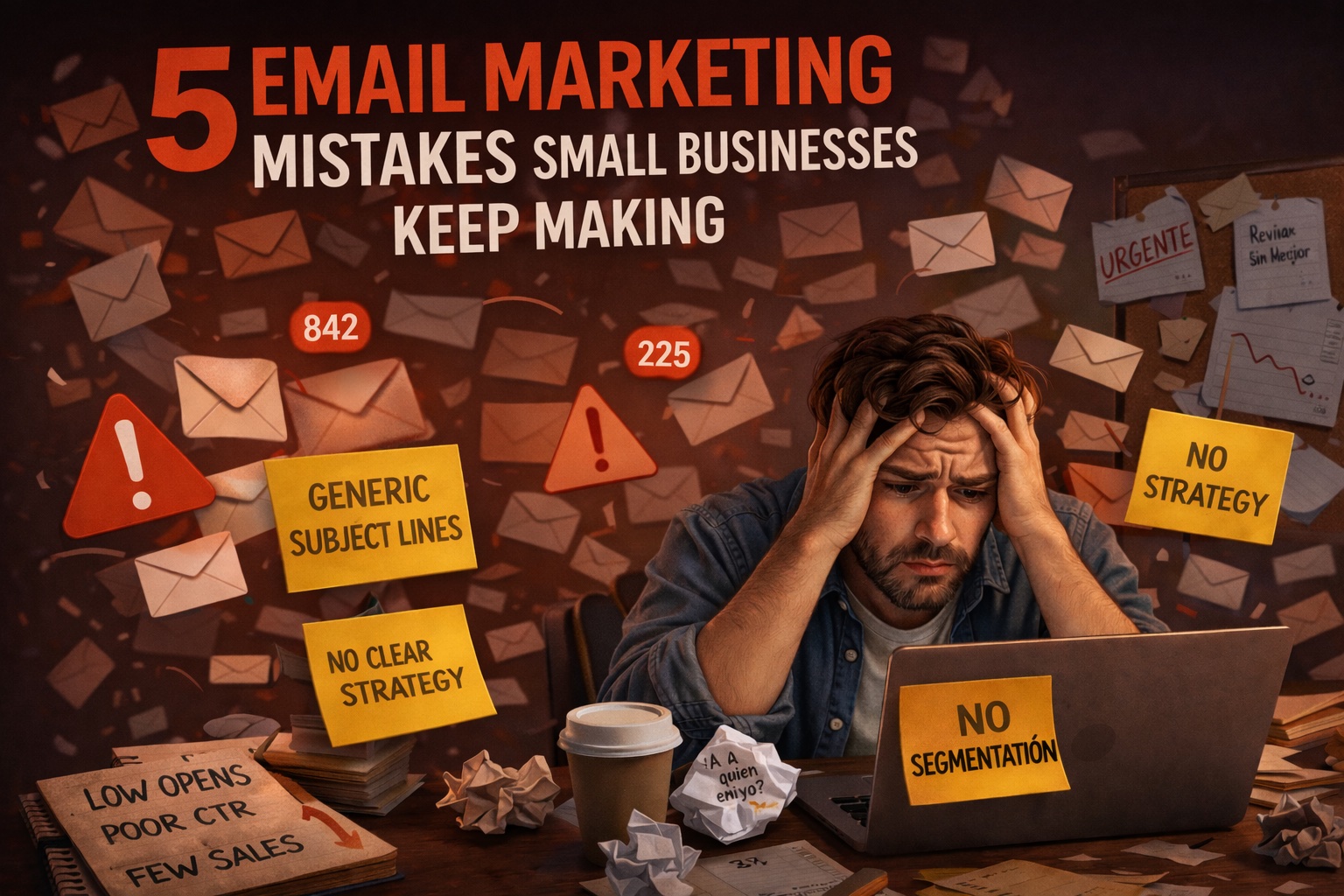
Other common mistakes include sending the same message to every audience segment, neglecting mobile readability, failing to test automated workflows, and measuring success only through list growth. Businesses should also avoid making unsupported claims about expected results. Lead generation depends on factors such as audience quality, offer relevance, industry competition, pricing, and the overall customer experience. A well-written email cannot compensate for an unclear service offer or a landing page that fails to explain its value.
To strengthen campaign quality, businesses should regularly review a few essential practices:
- Use permission-based subscriber lists and maintain clear unsubscribe options.
- Deliver useful, relevant content that matches audience interests.
- Test email layouts, subject lines, and calls to action before sending.
- Review conversions and lead quality instead of relying only on open rates.
These practices provide a reliable foundation for building campaigns that respect subscribers while supporting sustainable business growth.
Adapting Email Marketing to the Current Digital Landscape
The current digital marketing environment places increasing importance on relevant communication, customer privacy, and consistent experiences across channels. Businesses may combine email with search engine optimization, social media, online advertising, and customer relationship management systems to reach potential customers at different stages of their journey. For example, a visitor may discover a business through a search engine, download an educational resource, receive helpful emails, and eventually request a service quotation. Each channel supports a different part of the process, but the messaging should remain consistent.
Artificial intelligence and automation tools can also help marketers develop subject line ideas, organize content themes, summarize campaign results, and identify potential improvements. However, automated content still requires human review to ensure accuracy, appropriate tone, and relevance. Sending large volumes of generic AI-generated messages is unlikely to create lasting customer relationships. Businesses should use technology to improve efficiency while preserving the personal judgment needed to understand their audiences.
Conclusion
Email marketing remains a valuable way for businesses to attract qualified prospects, develop customer relationships, and turn genuine interest into measurable opportunities. Its effectiveness depends on more than the number of emails sent or subscribers collected. Businesses need to offer valuable resources, create focused landing pages, segment their audiences, personalize communication responsibly, and develop nurturing campaigns that help recipients make informed decisions. Consistent testing and measurement make these efforts more effective over time. By tracking meaningful conversions, improving email content, maintaining good deliverability, and respecting subscriber preferences, companies can build a reliable lead-generation process. Rather than treating email as a channel for constant promotion, businesses should use it to educate, assist, and guide potential customers toward relevant solutions.