

Modern homes are becoming smarter, more comfortable, and increasingly energy-conscious. From automated lighting and intelligent thermostats to connected appliances and smart energy monitors, technology is changing how people manage their everyday living expenses. As electricity prices, water bills, and household maintenance costs continue to influence family budgets, homeowners are looking for practical ways to reduce unnecessary consumption without sacrificing convenience. Smart home technology offers a promising solution by helping households understand their usage patterns, automate repetitive tasks, and make more informed decisions about their resources.
The idea behind smart home savings is not simply to purchase the latest gadgets. It is to build a home environment where technology works efficiently in the background, supporting comfortable living while reducing waste. For example, motion-sensitive lights can turn off automatically when a room is empty, programmable heating and cooling systems can adjust temperatures according to daily routines, and connected plugs can help control appliances that consume electricity unnecessarily. These improvements may appear small individually, but their combined effect can make a meaningful difference over time. Exploring practical ideas through posts blog#wizzydigital.org can help readers understand how modern technology fits into an affordable and sustainable household lifestyle.
However, successful smart home planning requires more than buying connected devices and installing applications. Homeowners need to consider their existing electrical systems, internet connectivity, local climate, household habits, and available budget. A well-planned setup focuses on the areas where savings are most achievable rather than investing in technology that provides little practical value. By choosing suitable devices, tracking their performance, and adjusting settings regularly, households can create a smarter living environment that balances convenience, energy efficiency, and long-term affordability.
Understanding How Smart Homes Reduce Household Expenses
Smart homes use connected devices, sensors, software, and automation to manage different household functions. These systems can monitor electricity consumption, regulate indoor temperatures, control lighting, and coordinate appliances according to predefined schedules. Instead of requiring residents to remember every small energy-saving action, automation makes many of those actions happen automatically. This is especially useful in busy households where lights, fans, air conditioners, televisions, and other appliances may remain switched on longer than necessary.
The financial benefits depend on how effectively these technologies address existing problems. A household that frequently leaves lights running in empty rooms may benefit from motion sensors, while a family that uses air conditioning throughout the day might gain more from temperature scheduling and cooling optimization. Smart energy monitoring can also reveal unexpected consumption from older appliances, helping residents decide whether changing their habits or replacing equipment makes economic sense. As discussed in posts blog#wizzydigital.org, the most effective approach is to match technology with actual household needs instead of assuming every connected product will automatically reduce expenses.
Another important consideration is that smart home devices consume some electricity themselves and may involve installation, subscription, or maintenance costs. Consequently, savings should be evaluated against the total cost of ownership. A low-cost device that solves a frequent problem may deliver better value than an expensive system with features that rarely get used. Understanding this distinction helps homeowners make realistic decisions and avoid spending more on technology than they are likely to recover through lower bills.
Smart Lighting for Everyday Energy Savings
Lighting is one of the easiest areas in which to introduce smart home improvements. Traditional bulbs can be replaced with energy-efficient LED lighting, while smart bulbs, switches, and motion sensors provide additional control over when lights operate. Homeowners can create schedules for outdoor lighting, automatically switch off lights in unoccupied spaces, or adjust brightness according to the time of day. These changes improve convenience while reducing electricity use associated with unnecessary illumination.
Smart lighting is particularly useful in hallways, bathrooms, garages, and other areas where lights are frequently forgotten. For example, a motion sensor can activate a light when someone enters a corridor and turn it off after the area becomes vacant. In living rooms, dimming lights when full brightness is unnecessary can reduce consumption and create a more comfortable atmosphere. However, using efficient LED bulbs remains a foundational step because automation alone cannot compensate for inefficient lighting equipment.
Natural daylight should also be part of a smart lighting strategy. Automated blinds, where appropriate, can help residents take advantage of daylight while limiting excessive indoor heat during warmer periods. In cooler weather, allowing sunlight into suitable rooms may reduce the need for artificial lighting and sometimes support passive heating. The most economical setup combines efficient bulbs, sensible lighting habits, and automation in locations where it provides a clear benefit.
Smart Thermostats and Efficient Temperature Management
Heating and cooling can represent a substantial portion of household energy consumption, especially in regions with extreme seasonal temperatures. Smart thermostats and connected air-conditioning controls help residents manage indoor comfort according to occupancy, preferred temperatures, and daily routines. Instead of cooling an empty house continuously, a properly configured system can reduce unnecessary operation when residents are away and restore comfortable conditions before they return.
For households in hot parts of India, including areas that experience intense summer temperatures, air-conditioner management deserves particular attention. Setting a reasonable cooling temperature, cleaning filters, improving room insulation, and keeping doors and windows closed while cooling is operating can support better efficiency. Smart controls may make these practices easier by applying schedules and maintaining consistent settings. Nevertheless, the best temperature depends on personal comfort, humidity, health considerations, and the performance of the cooling equipment. Automation should support comfortable conditions rather than create an uncomfortable indoor environment.
Smart temperature management can also help identify inefficient routines. If an air conditioner operates for long periods in an unoccupied room, usage records may reveal an opportunity to change the schedule. If the system struggles to maintain the desired temperature, the issue may involve dirty filters, poor insulation, inadequate equipment capacity, or maintenance needs rather than the thermostat itself. Combining automation with proper equipment care is therefore more effective than relying on connected controls alone.
Smart Appliances and Better Electricity Management
Connected appliances can improve household efficiency by offering scheduling, operating notifications, and, on compatible models, information about energy use. Smart washing machines may allow residents to schedule suitable cycles, while connected dishwashers can provide greater control over operating times. Smart refrigerators may offer alerts about doors left open, although the financial value of advanced connectivity depends on the features actually used. The most important factor remains the appliance’s underlying efficiency, capacity, and suitability for the household.

Homeowners do not necessarily need to replace every existing appliance to build a smarter home. Smart plugs can provide remote switching and scheduling for compatible devices, while energy-monitoring plugs may help identify consumption patterns. However, these products should only be used with appliances that fall within their electrical ratings. High-power equipment, heating appliances, and air conditioners may require dedicated controls designed specifically for their electrical load. Residents should follow manufacturer instructions and consult a qualified electrician whenever the installation or load requirements are uncertain.
A practical appliance strategy begins with identifying equipment that consumes significant electricity or is frequently left operating unnecessarily. Refrigerators, washing machines, water heaters, entertainment systems, and cooling equipment deserve attention because their usage patterns differ considerably. The following table illustrates how households can prioritize improvements.
| Smart home solution | Primary benefit | Best practical use |
|---|---|---|
| LED smart lighting | Lower lighting consumption and better control | Frequently used rooms and corridors |
| Smart thermostat or AC controller | Improved cooling schedules | Homes with regular daily routines |
| Smart energy monitor | Greater visibility into electricity use | Identifying high-consumption periods |
| Compatible smart plug | Scheduling and remote switching | Suitable small appliances and electronics |
| Smart irrigation controller | Better control over water use | Gardens with predictable watering needs |
| Smart water leak sensor | Earlier detection of leaks | Kitchens, bathrooms, and utility areas |
These solutions should be selected according to expected benefits rather than popularity. A home with no garden, for example, may have little reason to purchase an irrigation controller, while a household with frequent water leakage concerns could benefit considerably from leak detection. This practical approach keeps the initial investment focused and makes it easier to evaluate whether the technology is delivering useful results.
Using Smart Energy Monitoring to Find Hidden Waste
One of the most valuable features of a connected home is the ability to measure consumption rather than relying entirely on estimates. Smart meters, compatible energy monitors, and certain appliance applications can show how electricity use changes throughout the day. This information helps homeowners identify peak consumption periods, compare different routines, and investigate equipment that appears to use more electricity than expected. In some cases, simply understanding when energy is being consumed can encourage better everyday decisions.
For example, a family might discover that several entertainment devices remain in standby mode overnight or that cooling equipment runs longer than expected during the afternoon. The household can then test practical adjustments, such as changing schedules, switching off unused devices, or improving room insulation. Comparing electricity bills before and after these changes provides a more useful assessment than relying on an application’s estimated savings alone. Seasonal weather, tariff changes, and changes in household occupancy should also be considered when interpreting the results.
Readers exploring posts blog#wizzydigital.org can apply a similar measurement-first approach to other household resources. Rather than immediately investing in multiple devices, start by identifying the largest recurring expense and determine what causes it. Establish a baseline, make one or two changes, and review the results after a reasonable period. This process helps separate genuine improvements from features that look impressive but produce little financial value.
Water Conservation Through Smart Home Technology
Water efficiency is another important part of affordable modern living. Smart leak detectors, connected irrigation controllers, and certain water-monitoring systems can help households identify waste and manage consumption more effectively. A small leak may appear insignificant at first, but continuous water loss can increase bills and damage walls, flooring, cabinets, or electrical installations. Sensors placed near washing machines, sinks, water heaters, and other vulnerable locations can provide early warnings when unexpected moisture is detected.
For households with gardens, automated irrigation can reduce unnecessary watering by applying schedules suited to plant needs and local conditions. More advanced controllers may use weather information or soil moisture readings to adjust watering decisions. This can be particularly helpful during hot periods when evaporation increases and plants require careful management. Nevertheless, automated systems should be checked regularly because incorrect sensor placement, damaged pipes, or unsuitable schedules can still waste water.
Simple habits remain essential even in a connected home. Repairing dripping taps, running washing machines with appropriate loads, and monitoring unusually high water use can provide benefits without requiring expensive equipment. Smart technology works best when it supports responsible everyday behavior rather than replacing basic maintenance.
Choosing Affordable Smart Home Devices
A common mistake when creating a connected home is purchasing too many devices at once. Although premium systems can provide impressive automation, their initial costs may outweigh their practical benefits for households with limited budgets. A more sustainable approach is to begin with one clear objective, such as reducing unnecessary lighting, improving air-conditioner scheduling, or monitoring electricity consumption. Once the results are understood, additional devices can be introduced where they offer measurable value.
Before purchasing a product, check whether it is compatible with the home’s existing electrical equipment, wireless network, and preferred smart home platform. Consider whether the device requires a paid subscription, a separate hub, professional installation, or access to cloud services. Privacy and security deserve attention as well. Devices should receive software updates, use strong and unique passwords where applicable, and be purchased from manufacturers that provide reasonable support and security information. Unnecessary permissions and unused connected features should be avoided.
A simple purchasing checklist can help homeowners focus on practical value:
- Identify one recurring household expense that needs improvement.
- Compare the total purchase, installation, and operating costs.
- Check compatibility with existing devices and home infrastructure.
- Review privacy protections, software support, and warranty terms.
- Measure actual performance after installation before expanding the system.
These steps reduce the risk of buying products that are difficult to maintain or offer limited savings. They also make it easier to build a connected home gradually without placing unnecessary pressure on the household budget.
Creating a Sustainable Smart Home Routine
Smart home technology becomes more valuable when it is supported by consistent routines. Automated lighting schedules, reasonable cooling settings, efficient appliance use, and regular equipment maintenance can work together to reduce waste. Residents should review automation settings occasionally because household schedules change, devices may be moved, and seasonal conditions can affect how systems perform. An automation rule that was useful during one season might become unnecessary or inefficient during another.
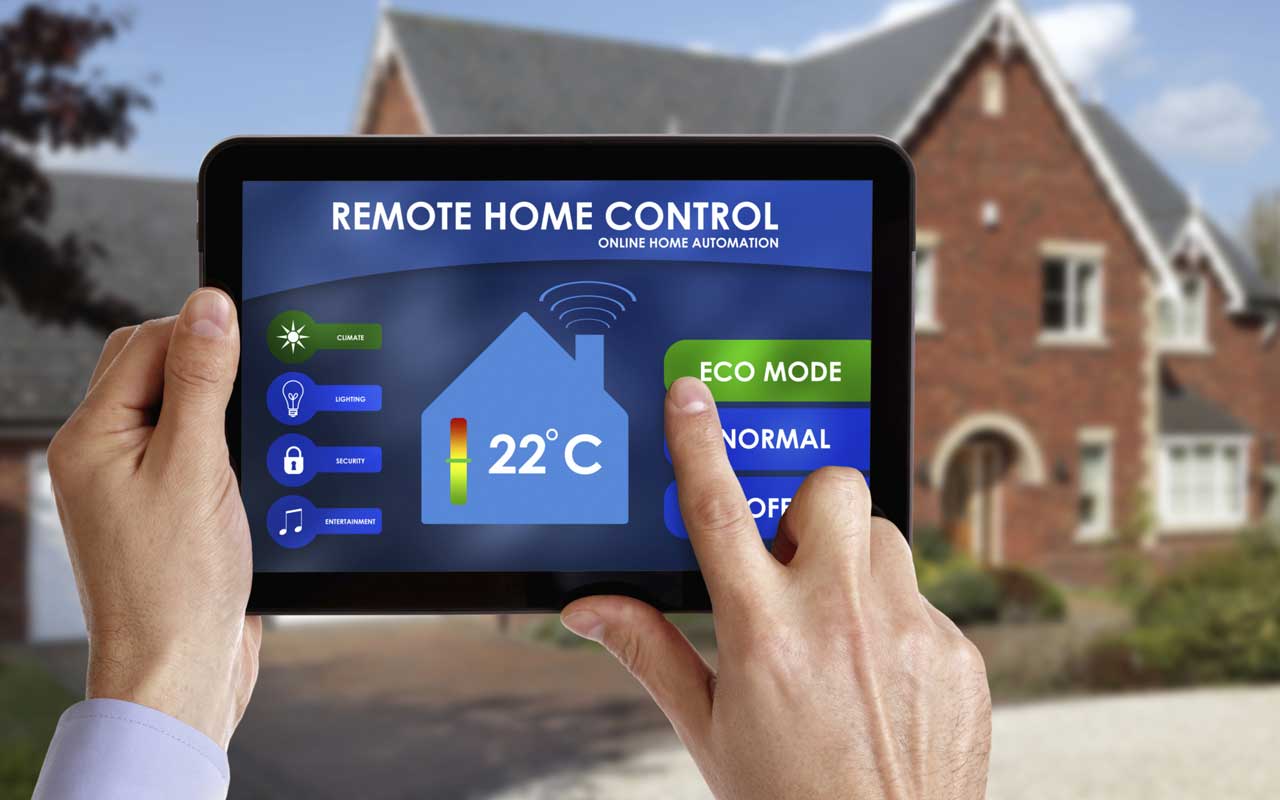
Sustainability also involves considering the lifespan of connected products. Frequently replacing functioning equipment simply to obtain newer features can create additional electronic waste and undermine potential savings. Choosing durable devices, repairing equipment where practical, updating software, and disposing of unwanted electronics through appropriate recycling channels are sensible ways to reduce the environmental impact of modern living. Energy-efficient products are most beneficial when they are used for a meaningful period and replace genuine sources of waste.
Another useful practice is to involve everyone in the household. Family members should understand how automated systems operate, how to override settings when necessary, and why certain energy-saving routines matter. This prevents confusion and helps ensure that technology remains convenient instead of becoming another source of complexity. The goal is to create a home that responds intelligently to people’s needs while making responsible resource use easier.
Calculating the Real Return on Smart Home Investments
The financial value of a smart home improvement depends on the difference between its total cost and the savings it generates over time. A device with a low purchase price may offer a relatively quick return if it solves a frequent problem, whereas an expensive automation system may take much longer to justify its cost. Installation charges, electricity used by the device, maintenance expenses, and possible subscription fees should all be included in the calculation.
For example, suppose a household spends ₹3,000 on a smart control system and estimates that it saves ₹250 per month. If the estimate proves accurate and there are no additional costs, the simple payback period would be 12 months. However, this is only an illustration, not a guaranteed result. Actual savings may be lower because of seasonal changes, existing energy-efficient habits, or differences between estimated and measured consumption.
A useful evaluation method involves comparing bills and usage records over several months. Where possible, compare similar seasons and account for changes in occupancy, electricity rates, and appliance usage. Households can also assign value to non-financial benefits, such as convenience, earlier leak detection, improved accessibility, and greater control over indoor comfort. Even when the direct financial return is modest, these additional benefits may make a device worthwhile for a particular household.
Conclusion
Smart home savings are most achievable when technology is chosen with a clear purpose and used consistently. Efficient lighting, intelligent cooling controls, connected appliances, energy monitors, and water leak sensors can help homeowners reduce waste while making daily life more convenient. However, successful results depend on the quality of the equipment, the habits of residents, the home’s existing infrastructure, and the ability to measure actual improvements.
The smartest strategy is to begin with the largest avoidable expense, introduce a practical solution, and evaluate its performance before investing in more devices. Affordable upgrades and simple behavioral changes can often deliver more value than a complicated system filled with features that rarely get used. Privacy, cybersecurity, maintenance, and long-term operating costs should remain part of every purchasing decision.
Ultimately, modern living does not require turning every household object into a connected device. It requires using technology where it makes a genuine difference. By combining thoughtful automation with energy awareness, water conservation, and responsible purchasing, homeowners can develop a comfortable, efficient, and financially sensible living environment. With practical guidance from posts blog#wizzydigital.org, readers can explore these possibilities, make informed choices, and approach smart home improvements as a gradual investment in better everyday living.