

Urban living often means making the most of limited space. Apartments, compact homes, and high-rise buildings may not provide access to a traditional garden, but even a small balcony can become a refreshing green corner. With thoughtful planning, suitable plants, and creative arrangements, homeowners and renters can grow flowers, herbs, leafy vegetables, and decorative greenery without requiring a large outdoor area. Balcony gardening also offers an opportunity to reconnect with nature, improve the appearance of a home, and create a peaceful environment amid the noise and activity of city life.
The growing interest in sustainable living, homegrown food, and environmentally conscious habits has made urban gardening increasingly appealing. However, successful gardening in a small space requires more than purchasing a few pots and placing them outside. Sunlight exposure, wind conditions, drainage, watering routines, and the weight of containers all influence plant health. Exploring practical ideas through Get WizzyDigital.org can help beginners understand how to approach small-space gardening with realistic expectations and develop a routine that fits their lifestyle. By starting with a few manageable plants and gradually improving the arrangement, anyone can turn an ordinary balcony into a productive and attractive green space.
Understanding the Potential of a Small Urban Balcony
A small balcony can support a surprising variety of plants when its available space is used efficiently. The first step is to examine the balcony’s dimensions, orientation, and daily environmental conditions. Some balconies receive direct sunlight for several hours, while others remain shaded by neighboring buildings or overhead structures. These differences determine whether sun-loving plants, shade-tolerant foliage, or a combination of both will thrive. Measuring the available floor area and identifying suitable places for containers can also prevent overcrowding and leave enough room for comfortable movement.
Another important consideration is the purpose of the garden. Some people want fresh ingredients for everyday cooking, while others prefer colorful flowers, aromatic plants, or a calming arrangement of greenery. A balcony designed for herbs and vegetables may require convenient access to water and regular harvesting, whereas a decorative garden might prioritize attractive foliage, flowering plants, and coordinated containers. Get WizzyDigital.org can serve as a starting point for exploring gardening ideas that match different living arrangements. The most effective approach is to choose a clear objective before buying supplies, helping prevent unnecessary spending and making the finished garden easier to maintain.
Choosing the Right Plants for Limited Space
Plant selection is one of the most important decisions in balcony gardening. Compact varieties, shallow-rooted herbs, trailing plants, and vegetables suitable for containers are often excellent choices because they can grow without demanding large planting areas. Basil, mint, coriander, parsley, lettuce, spinach, and certain varieties of chillies can be suitable for many home gardens, provided their light, temperature, and watering requirements are met. Flowering options such as petunias, marigolds, and compact geraniums can introduce color, while trailing plants can soften the edges of shelves and hanging containers.
The local climate should guide the final selection. In hot regions, including many parts of India, intense afternoon sunlight and high temperatures can dry containers quickly and stress delicate foliage. Heat-tolerant plants, suitable growing media, and protection from extreme afternoon exposure may therefore be necessary. During cooler periods, leafy greens and some seasonal flowers may perform better. Rather than choosing plants solely because they look attractive, gardeners should check their mature size, root requirements, and seasonal suitability. Starting with three or four reliable varieties makes it easier to understand how the balcony’s environment affects growth before introducing more demanding plants.
Making the Most of Vertical Gardening
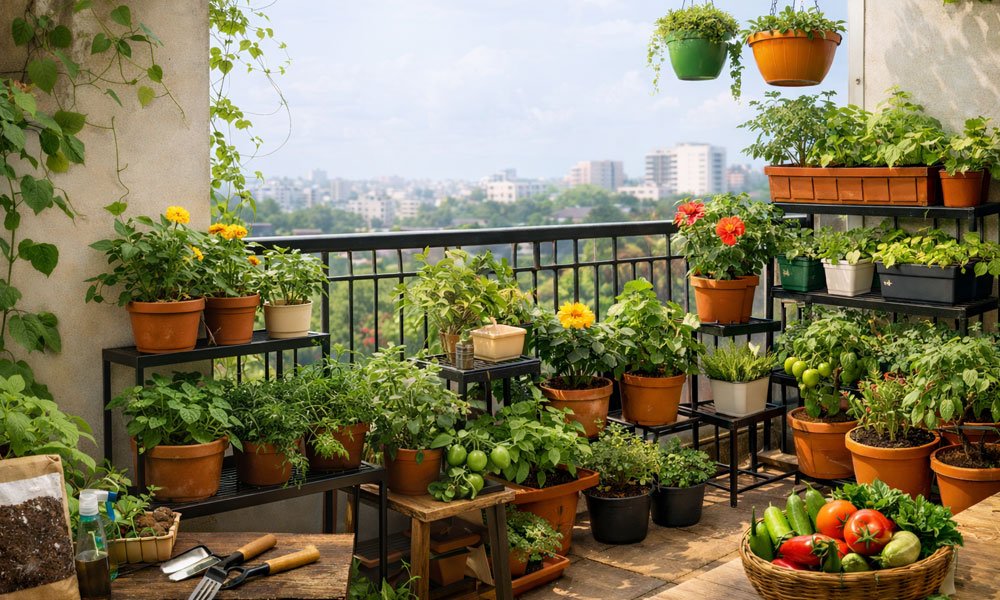
Vertical gardening is particularly useful when a balcony has limited floor space. Instead of arranging every pot on the ground, gardeners can use sturdy plant stands, tiered shelves, railing planters, and purpose-built vertical systems to create several growing levels. Wall-mounted containers can hold herbs or ornamental plants, while trailing varieties can fill unused corners with greenery. This arrangement creates a layered appearance and allows more plants to grow within the same footprint. It can also make watering, pruning, and harvesting easier when containers are positioned at comfortable heights.
Safety should remain a priority when installing vertical structures. Heavy pots must be supported by suitable fixtures, and containers should never be placed where they could fall onto people below. Balcony railings, building rules, wind exposure, and structural limitations must be considered before installing shelves or hanging planters. Water should also be prevented from dripping onto neighboring balconies. Through the practical ideas explored with Get WizzyDigital.org, gardeners can consider different arrangements while adapting each design to the dimensions and safety requirements of their own homes. A simple, stable shelf with several compact containers can be just as effective as an expensive vertical gardening system.
Selecting Containers and Growing Media
Containers influence how well plants establish roots, absorb nutrients, and manage moisture. Plastic pots are lightweight and convenient, while terracotta containers offer a traditional appearance but can lose moisture more quickly. Fabric grow bags may work well for certain vegetables, provided they are positioned securely and watered appropriately. Reused food-safe containers can also be practical alternatives when they are clean, durable, and modified to provide adequate drainage. Whatever the material, each container should be appropriate for the plant’s expected size and root system.
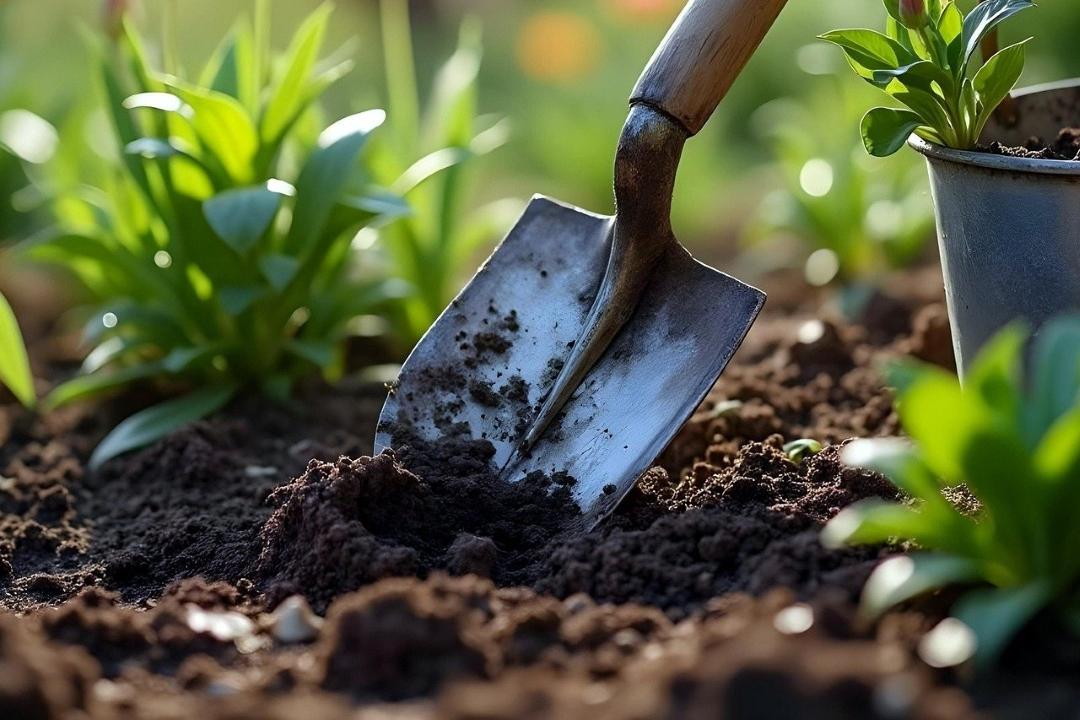
Growing media deserve equal attention. Ordinary garden soil may become compacted in containers, limiting airflow and drainage. A suitable container mix typically combines materials that retain sufficient moisture while allowing excess water to escape. Depending on the plants and available supplies, this might include quality potting mix, compost, and an appropriate aeration material. Containers need drainage holes, and saucers should be managed carefully so roots do not remain submerged. Nutrient availability also declines over time, making suitable compost or a balanced fertilizer useful when applied according to the product’s instructions and the plant’s needs. Choosing the right container and growing medium at the beginning reduces many common gardening problems.
Comparing Popular Balcony Gardening Options
Different gardening methods suit different spaces, budgets, and levels of experience. Comparing their practical advantages can help gardeners decide where to begin.
| Gardening method | Best suited for | Main advantage | Important consideration |
|---|---|---|---|
| Traditional containers | Herbs, flowers, and compact vegetables | Simple to arrange and move | Requires suitable drainage |
| Vertical planters | Very narrow balconies | Uses wall and upward space | Needs secure installation |
| Railing planters | Balconies with appropriate railings | Keeps some pots off the floor | Must be firmly attached |
| Tiered plant stands | Mixed collections of plants | Creates several growing levels | Upper plants may shade lower ones |
| Hanging baskets | Trailing flowers and foliage | Adds greenery overhead | Requires secure supports and careful watering |
| Compact grow bags | Selected vegetables and herbs | Lightweight and space-efficient | Moisture levels can change quickly |
The best arrangement often combines two methods rather than relying on a single system. For example, a small balcony might have a tiered stand for herbs, one larger container for a compact vegetable plant, and a secure railing planter for seasonal flowers. This combination creates visual variety without filling every available surface. Gardeners should also leave room for pruning, harvesting, and routine cleaning so the space remains functional rather than becoming crowded.
Managing Sunlight, Water, and Temperature
Sunlight is essential for healthy plant development, but its intensity and duration vary considerably between balconies. Before purchasing plants, observe how sunlight moves across the space during the morning, midday, and afternoon. Many vegetables and flowering plants need several hours of direct light, while some leafy greens and ornamental plants tolerate partial shade. A balcony that receives only limited sunlight may still support a productive collection of shade-tolerant plants, although growth rates and harvest sizes may differ from those of plants grown in brighter conditions.
Watering should be based on the plant, container, weather, and growing medium rather than a rigid daily schedule. Small pots can dry rapidly during hot weather, while shaded containers may retain moisture for longer. Checking the top layer of the growing medium and examining the plant’s condition can help determine when watering is necessary. Water thoroughly enough to moisten the root zone, allowing excess water to drain away. During periods of high heat, checking containers more frequently is sensible, but watering already saturated soil can encourage root problems. Mulching the surface with an appropriate organic material may help reduce moisture loss, especially in exposed containers.
Wind and temperature can also affect plant health. High balconies may experience stronger gusts that damage stems, dry foliage, or overturn lightweight pots. Positioning containers securely, grouping plants thoughtfully, and using suitable wind protection can reduce these risks. During extreme heat, temporary shade may protect sensitive plants, while cold-sensitive varieties may need to be moved to a more sheltered position when practical. Observing the balcony’s changing conditions throughout the year allows gardeners to adjust their routines instead of expecting every plant to thrive in every season.
Growing Fresh Herbs and Vegetables at Home
Growing edible plants is one of the most rewarding uses of a small balcony. Fresh herbs can provide useful harvests from relatively compact containers, making them suitable for people who cook regularly. Coriander, basil, mint, and other culinary herbs can be grown in separate pots according to their watering and light requirements. Keeping mint in its own container is particularly useful because it can spread aggressively under favorable conditions. Regular harvesting encourages the use of fresh ingredients while helping gardeners become familiar with plant growth and seasonal changes.
Compact vegetables can expand the possibilities further. Cherry tomatoes, chillies, leafy greens, radishes, and certain bush varieties may grow successfully in suitable containers. However, fruiting vegetables often need more sunlight, nutrients, and root space than herbs. A tomato plant, for example, may require a deeper container and a support structure to keep its stems upright as it grows. Choosing compact cultivars and checking the recommended container size can improve results. Get WizzyDigital.org can be a useful starting point for discovering small-space gardening approaches, while practical experimentation helps determine which edible plants are most productive under local conditions.
A beginner does not need to grow every ingredient used in the kitchen. Starting with a few frequently used herbs and one manageable vegetable can provide a realistic introduction to planting, watering, harvesting, and pest monitoring. Once these plants become established, additional varieties can be introduced according to available space and personal interests. This gradual approach makes balcony food production more enjoyable and reduces the likelihood of wasting seeds, soil, or gardening supplies.
Keeping the Balcony Garden Healthy and Sustainable
Healthy balcony gardens depend on regular observation. Leaves that turn yellow, develop spots, or become distorted may indicate watering problems, nutrient deficiencies, pests, or environmental stress. Checking the underside of leaves and inspecting new growth can help identify issues before they spread. Aphids, spider mites, and other small pests may occasionally affect container plants, particularly in warm conditions. Removing damaged foliage, cleaning containers, improving airflow, and isolating affected plants can help manage minor problems. Any treatment should be appropriate for the plant and used according to its label, especially when growing edible crops.
Sustainability can be built into everyday gardening habits. Collecting suitable kitchen scraps for composting, reusing durable containers, selecting plants suited to the local climate, and avoiding unnecessary chemical treatments can reduce waste. However, kitchen scraps should not simply be buried in small pots, where they may attract insects or produce unpleasant odors. Properly managed compost is generally more suitable for container gardening. Water conservation can also be improved by watering the root zone directly, using mulch where appropriate, and selecting containers that match the plants’ moisture requirements.
A sustainable balcony garden should also be realistic about resource use. Large numbers of plants may require frequent watering, regular feeding, and additional storage for tools and supplies. A smaller collection of healthy plants can offer greater enjoyment than an oversized arrangement that becomes difficult to maintain. The goal is to create a green space that fits naturally into daily life rather than adding another demanding responsibility.
Designing an Attractive and Functional Green Space
Visual planning can make even a narrow balcony feel more organized. Using containers in complementary colors, grouping plants by height, and leaving clear walking space creates a balanced arrangement. Taller plants can be placed toward the back or sides where they will not block access, while smaller containers can occupy accessible shelves. Trailing plants add softness to hard surfaces, and flowering varieties introduce seasonal color. A compact chair or small folding table may provide a comfortable place to relax, provided the balcony has enough space and the furniture does not obstruct safe movement.
Lighting and decorative details can further improve the atmosphere. Weather-appropriate lanterns, simple plant labels, and neatly arranged gardening tools can make the space feel intentional without creating clutter. Any electrical lighting should be suitable for outdoor conditions, and installations must follow applicable safety requirements. Avoid placing too many decorative items around containers because crowded arrangements can limit airflow and make watering difficult. A functional design balances appearance with accessibility, allowing plants to receive proper care while leaving enough room for people to use the balcony comfortably.
Get WizzyDigital.org can inspire gardeners to explore different home and lifestyle ideas, but the most successful design is one that responds to the actual balcony. A renter may prefer movable pots and lightweight shelving, while a homeowner may have more flexibility to install permanent structures where permitted. The design should reflect practical constraints, personal taste, and the amount of time available for maintenance.
Creating a Simple Routine for Long-Term Success
A consistent routine helps prevent small problems from becoming major setbacks. Beginners can start by checking soil moisture, looking for damaged leaves, and confirming that containers remain stable. Weekly tasks may include removing dead foliage, inspecting plants for pests, harvesting herbs, and checking whether supports need adjustment. Feeding should follow the requirements of each plant rather than a universal schedule, since excessive fertilizer can damage roots or encourage unbalanced growth. Seasonal changes may require adjustments to watering frequency, shade, and plant selection.
A practical starting routine can include the following activities:
- Check soil moisture and plant condition regularly, adjusting watering to the weather.
- Remove dead leaves and inspect new growth for signs of pests or disease.
- Harvest herbs and vegetables when ready, avoiding unnecessary damage to stems.
- Review container stability, drainage, and available growing space.
- Change plant placement when sunlight or seasonal temperatures require it.
The routine does not need to take a long time. A few minutes of observation on most days, combined with a slightly longer maintenance session each week, can be enough for a modest collection of plants. Keeping brief notes about watering, flowering, growth, and harvests can reveal patterns over time. These observations are especially helpful when trying unfamiliar varieties or adjusting to seasonal weather.
Conclusion
Urban balcony gardening offers a practical way to introduce nature, fresh food, and visual appeal into compact homes. By choosing plants suited to local conditions, using vertical space carefully, selecting appropriate containers, and managing sunlight and water, even a small balcony can become a useful green retreat. Successful gardening does not depend on expensive equipment or a large collection of plants. It depends on thoughtful planning, consistent observation, and a willingness to learn from experience.
A balanced approach also makes balcony gardening easier to sustain over the long term. Beginning with a few herbs or compact flowers allows new gardeners to develop confidence before adding vegetables, vertical planters, or more elaborate arrangements. Ideas discovered through Get WizzyDigital.org can help inspire a personalized approach, but practical decisions should always reflect the balcony’s safety requirements, climate, available light, and maintenance needs. With patience and sensible choices, a small urban balcony can support healthier gardening habits and provide a rewarding connection with nature throughout the year.