

Managing time effectively has become an essential skill in today’s fast-paced digital environment. Between professional responsibilities, personal commitments, online meetings, notifications, and constant digital distractions, many people struggle to complete their most important tasks. Even when a day is filled with activity, it does not necessarily mean meaningful progress has been made. The real challenge is learning how to organize responsibilities, prioritize work, and maintain a sustainable routine without feeling overwhelmed. Productivity systems offer a practical way to address these challenges by turning scattered activities into organized, manageable processes.
Modern productivity is not simply about working faster or completing the largest number of tasks. It is about directing attention toward the work that matters most while protecting time for rest, relationships, and personal development. The growing use of digital calendars, task management applications, artificial intelligence tools, and collaborative platforms has created new opportunities to organize daily life. However, these tools are most effective when supported by clear goals and consistent habits. Exploring productivity principles through posts blog wizzydigital.org can provide a useful starting point for understanding how structured planning and thoughtful time management can improve everyday performance.
A successful productivity system should fit the individual rather than force the individual to follow an unnecessarily complicated routine. Students, remote workers, business owners, freelancers, and busy households all have different demands. Nevertheless, they share a common need: a reliable method for deciding what to do, when to do it, and how to measure progress. By combining realistic planning, focused work sessions, regular reviews, and appropriate technology, anyone can build a system that makes daily responsibilities easier to manage.
Understanding Productivity Systems in the Modern Workplace
A productivity system is a collection of habits, methods, and tools designed to help people manage tasks, time, information, and attention. Instead of relying entirely on memory or making decisions throughout the day, individuals establish a repeatable process for capturing responsibilities, organizing priorities, and completing work. For example, a professional might collect tasks in one application, assign deadlines through a calendar, and reserve specific hours for important projects. This structure reduces confusion and makes it easier to identify the next useful action.
In the modern workplace, productivity systems are especially valuable because work often involves several communication channels and competing expectations. Employees may switch between emails, project management platforms, video conferences, and shared documents within a single hour. Every switch can interrupt concentration and make complex work more difficult. A well-designed system establishes boundaries around communication, creates realistic schedules, and separates urgent requests from important long-term objectives. The purpose is not to eliminate flexibility but to provide enough structure to respond to unexpected changes without losing sight of essential goals.
Another important principle is that productivity should be measured by outcomes rather than busyness. Completing ten minor administrative tasks may feel satisfying, but it might not contribute as much value as finishing one important report or resolving a major customer problem. Effective systems help people distinguish between activity and achievement. When priorities are clear, individuals can spend more time on meaningful work and less time reacting to every incoming notification.
Why Better Time Management Requires a Structured Approach
Time management becomes difficult when people attempt to make decisions about every task as it appears. An unexpected email, a meeting invitation, or a new request can quickly change the direction of the day. Without a planning method, urgent activities frequently take priority over important responsibilities, even when those responsibilities have greater long-term value. A structured approach provides a framework for evaluating demands before committing time and energy.
Planning also reduces mental pressure. When unfinished tasks remain scattered across messages, notes, and memory, people may repeatedly worry about forgetting something important. Writing responsibilities in a trusted system creates a clear record and makes future actions easier to identify. This does not mean every minute must be scheduled. Instead, a balanced plan should include important commitments, flexible working periods, and sufficient space for unexpected situations. A realistic schedule is more useful than an ambitious timetable that becomes impossible to maintain after the first interruption.
For example, someone who needs to prepare a presentation, respond to clients, and attend meetings might reserve the morning for presentation development, check messages at planned intervals, and complete administrative tasks later in the day. If an urgent issue arises, the person can adjust the schedule while preserving the most important work whenever possible. The system creates direction without demanding perfection.
Popular Productivity Methods That Improve Daily Efficiency
Time Blocking for Focused Work
Time blocking involves assigning specific periods to particular activities instead of keeping a general list of everything that needs to be done. A calendar might contain a block for project development, another for meetings, and a separate period for administrative work. This method makes workload expectations more visible and encourages people to consider how long tasks actually require. It also reduces the temptation to fill every available moment with low-priority activities.
Successful time blocking depends on realistic estimates and flexibility. A task that appears to require thirty minutes may take an hour when research, revisions, or collaboration are involved. Leaving small gaps between major activities can prevent one delayed meeting from disrupting the entire schedule. People who are new to this method can begin by protecting one uninterrupted period each day for their most important responsibility. Over time, they can adjust the length and timing of work blocks according to their energy levels and obligations.
The Eisenhower Matrix for Prioritization
The Eisenhower Matrix organizes tasks according to urgency and importance. Urgent and important activities usually require immediate attention, while important but non-urgent responsibilities deserve scheduled time. Urgent but less important tasks may be delegated when possible, and activities that are neither urgent nor important can often be reduced or eliminated.
This approach is particularly useful for people who feel busy throughout the day but struggle to make progress on long-term goals. Exercise, professional learning, strategic planning, and preventive maintenance may not demand immediate attention, yet neglecting them can create problems later. By deliberately scheduling important activities before they become emergencies, individuals can move from reactive work toward more thoughtful decision-making.
The Pomodoro Technique for Maintaining Concentration
The Pomodoro Technique divides work into focused intervals separated by short breaks. A common starting point is twenty-five minutes of concentrated work followed by a five-minute break, although the duration can be adjusted to suit the task. After several intervals, a longer break can provide additional recovery. The method encourages people to work on one clearly defined activity rather than attempting to manage several responsibilities simultaneously.
This technique can be especially helpful when a task feels intimidating or difficult to begin. Writing a report, studying a complex subject, or organizing a large project becomes more manageable when the immediate objective is simply to concentrate for one interval. Nevertheless, the method should remain flexible. Creative work sometimes requires longer uninterrupted periods, while routine administrative activities may benefit from shorter sessions.
Building a Personalized Productivity Workflow
The most effective productivity system begins with a dependable way to collect tasks. Responsibilities often arrive through emails, conversations, meetings, messages, and personal reminders. If each item remains in a separate location, it becomes difficult to maintain a complete view of current commitments. A central task list or trusted digital notebook provides a single place to record new responsibilities before organizing them.
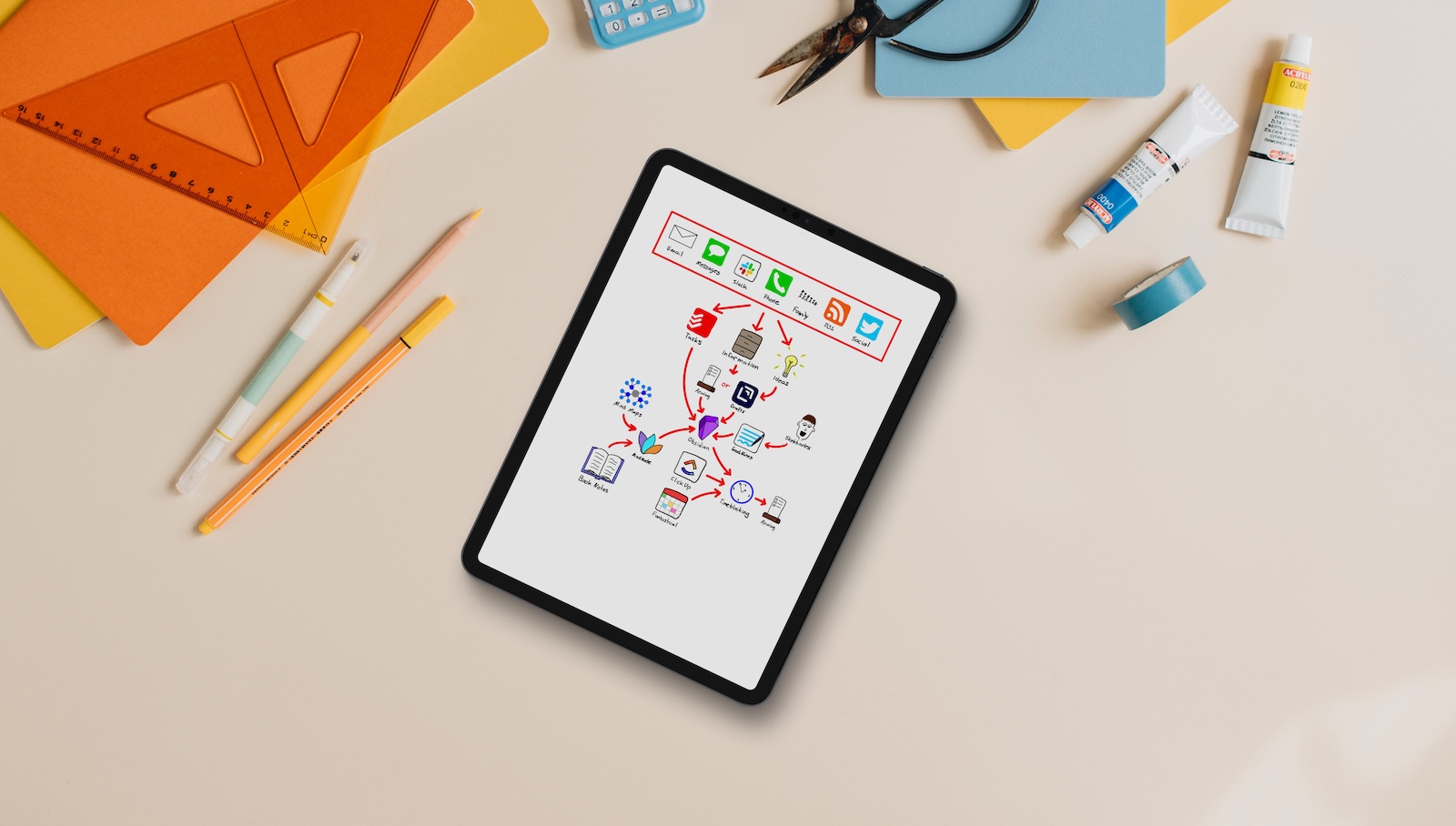
The next step is to clarify each task. Vague entries such as “work on project” are difficult to act on because they do not explain what completion requires. A clearer entry might be “prepare the first draft of the project proposal” or “review the monthly sales figures.” Specific actions reduce hesitation and make progress easier to measure. Larger projects should be divided into smaller steps, with deadlines added when necessary rather than assigning artificial urgency to every activity.
Once tasks have been captured and clarified, they can be prioritized and placed into an appropriate schedule. Not every responsibility needs a fixed time, but important deadlines and focused work sessions should be visible. A brief end-of-day review can identify unfinished work, update priorities, and prepare the following day’s plan. This creates continuity between working days and reduces the need to restart the planning process each morning.
The following table compares several productivity methods and explains where they are most useful.
| Productivity method | Primary purpose | Best use case |
|---|---|---|
| Time blocking | Assign time to specific activities | Busy schedules and project work |
| Eisenhower Matrix | Separate urgency from importance | Competing priorities |
| Pomodoro Technique | Encourage focused work sessions | Studying and concentration |
| Weekly review | Evaluate progress and upcoming tasks | Long-term planning |
| Task batching | Group similar activities together | Emails and routine administration |
These methods do not have to be used independently. For instance, someone can prioritize tasks with the Eisenhower Matrix, schedule the most important work through time blocking, and use focused intervals to complete it. Combining a small number of compatible methods often produces better results than adopting several complicated systems simultaneously.
Using Digital Tools and Artificial Intelligence Wisely
Digital tools can make productivity systems easier to maintain by bringing calendars, reminders, documents, and task lists into an organized environment. Calendar applications help people manage appointments and protect working time, while task managers provide visibility into deadlines and project progress. Note-taking tools can preserve ideas, meeting decisions, and research findings. The best choice depends on the user’s workflow, available devices, collaboration requirements, and comfort with technology.
Artificial intelligence is also changing how people approach routine work. Depending on the available tools, AI assistants can help summarize lengthy documents, organize brainstorming notes, prepare initial drafts, generate project checklists, or identify possible next steps. These capabilities can reduce the time spent on repetitive activities and create more room for analysis and creative thinking. However, generated information still requires human judgment. Important facts, calculations, confidential details, and professional recommendations should be checked before being used or shared.
A common mistake is spending too much time searching for the perfect productivity application. Switching between platforms repeatedly can create more work instead of reducing it. A simpler system with a calendar, a task list, and a consistent review habit may be sufficient for many people. Readers exploring posts blog wizzydigital.org can approach digital productivity with the same principle: choose tools that solve a genuine problem, establish a routine for using them, and evaluate their value based on practical results.
Privacy should also be part of modern productivity planning. Users should avoid entering sensitive personal, customer, or business information into AI services without understanding the applicable data policies and organizational requirements. Notifications should be configured thoughtfully, unnecessary application permissions should be reviewed, and important files should be stored securely. Technology is most useful when it improves efficiency without introducing avoidable security or privacy risks.
Practical Habits That Support Long-Term Productivity
Productivity systems become effective through consistent use rather than occasional bursts of motivation. One useful habit is to identify the day’s most important task before opening messages or social media. This simple decision establishes an initial direction and reduces the likelihood that low-priority requests will consume the available working time. It is not always possible to begin immediately, especially when responsibilities are unpredictable, but having a clear priority makes it easier to return to meaningful work after interruptions.

Another valuable habit is to batch similar activities. Instead of responding to every email as soon as it arrives, a person might check messages at several planned times during the day. Administrative tasks, routine calls, document reviews, and scheduling activities can also be grouped together. Batching reduces repeated context switching, although urgent communication channels should remain available when the role requires immediate responses. The goal is to create fewer unnecessary interruptions without becoming unresponsive to genuine needs.
A few practical habits can make this approach easier to maintain:
- Identify one to three important outcomes for each working day.
- Schedule demanding tasks during periods of stronger concentration.
- Keep notifications limited during focused work sessions.
- Review unfinished tasks and prepare the next day’s priorities.
- Include breaks and recovery time in the weekly routine.
These habits should be adapted to individual circumstances rather than followed as rigid rules. A parent managing household responsibilities may need shorter work sessions and more flexible planning than someone working independently in a quiet office. Similarly, a customer support professional may need to respond to incoming requests throughout the day, while a researcher may benefit from longer periods without interruptions. A good system accounts for these differences.
Avoiding Common Productivity Mistakes
One of the most common mistakes is creating an elaborate planning system that requires too much maintenance. People sometimes spend hours customizing dashboards, color-coding tasks, and experimenting with new applications without completing their actual responsibilities. Although organization can be satisfying, it should support productive work rather than replace it. A system is successful when it makes decisions easier, clarifies priorities, and reduces avoidable effort.
Another problem is scheduling more work than the available time can realistically support. A calendar filled from morning until evening leaves no room for delays, unexpected requests, or mental recovery. When the schedule becomes unrealistic, people may repeatedly postpone tasks and begin to distrust their own plans. Estimating task durations honestly and leaving some unscheduled time can make the system more reliable. It is also important to distinguish between genuine deadlines and personal expectations that can be adjusted.
Multitasking presents a related challenge. Switching repeatedly between writing, messaging, meetings, and research can increase the time needed to complete demanding activities. Although some routine tasks can be combined, complex work generally benefits from sustained attention. People can improve concentration by closing irrelevant tabs, placing their phones out of immediate reach, and defining a clear outcome for each work session. These changes do not remove every distraction, but they make focused work more achievable.
Finally, productivity should not become a measure of personal worth. Rest, sleep, physical movement, and time with family or friends are important parts of a sustainable life. Working longer hours may occasionally be necessary, but it should not become the default response to an inefficient workflow. Better productivity comes from using available energy wisely, making thoughtful choices, and creating routines that remain manageable over time.
Measuring Progress and Improving Your System
A productivity system should be reviewed regularly to determine whether it is producing meaningful improvements. Useful indicators include the completion of important projects, missed deadlines, time spent on focused work, recurring interruptions, and the amount of unfinished work carried into the following week. These measurements do not need to be complicated. A short weekly review can reveal whether the current approach is helping or whether certain habits require adjustment.
For example, someone who repeatedly postpones afternoon tasks may discover that demanding work is being scheduled when concentration is lowest. Moving complex responsibilities to the morning, when practical, could improve completion rates. Another person might notice that frequent meetings leave little time for individual work. In that case, reviewing meeting requirements, shortening unnecessary sessions, or reserving protected working periods may produce better results. The important step is to use observed patterns rather than relying entirely on assumptions.
Experimentation should remain manageable. Instead of changing the entire workflow at once, introduce one adjustment and evaluate it for a week or two. This makes it easier to identify which changes are genuinely helpful. If a method creates unnecessary pressure or becomes difficult to maintain, it can be simplified. Productivity systems should evolve as responsibilities, technologies, and personal circumstances change.
A weekly review is also an opportunity to recognize progress. People often focus on incomplete tasks while overlooking important achievements. Recording completed milestones provides a more balanced understanding of performance and can help maintain motivation during demanding periods. Over time, these small reviews turn productivity from a collection of isolated techniques into a sustainable process of learning and improvement.
Conclusion
Better time management begins with understanding how time, attention, and responsibilities are currently being used. Productivity systems help transform scattered tasks into organized workflows by combining clear priorities, realistic schedules, focused work sessions, and regular reviews. Methods such as time blocking, the Eisenhower Matrix, the Pomodoro Technique, and task batching provide practical starting points, but their value depends on how well they fit individual needs. Modern digital tools and AI assistants can further simplify routine work, provided they are used thoughtfully and their outputs are checked when accuracy matters. At the same time, effective productivity requires reasonable boundaries, adequate recovery, and a willingness to adjust plans when circumstances change. No application or technique can eliminate every interruption, but a consistent system can make everyday decisions clearer and important goals easier to achieve.