

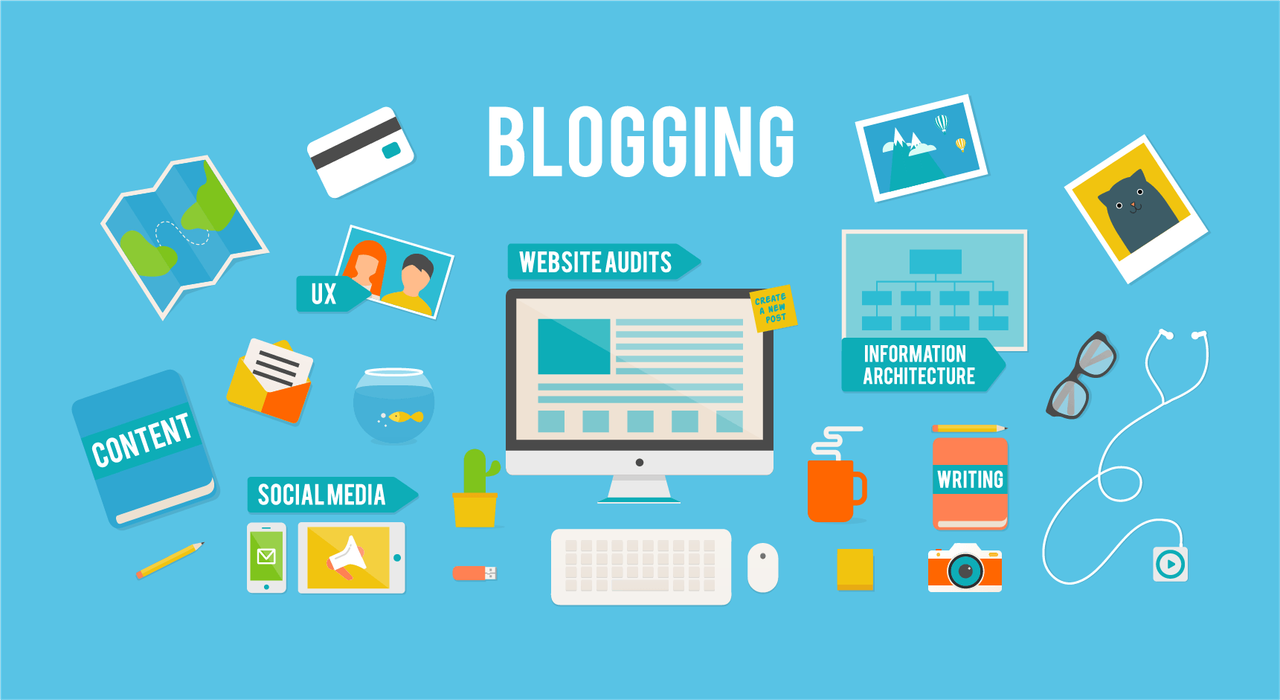
The modern digital environment is changing quickly, and businesses can no longer depend on simply having a website or publishing occasional articles. Audiences want useful information, clear answers, trustworthy guidance, and content that helps them make better decisions. At the same time, search engines increasingly evaluate relevance, quality, context, and user experience when determining which pages deserve visibility. This makes a strategic content approach more important than ever. Posts Blog WizzyDigital.org represents an opportunity to explore how well-planned digital content can connect information with genuine audience needs. Instead of treating blogging as a routine publishing activity, businesses can use content to educate customers, demonstrate expertise, strengthen visibility, and support long-term growth. A successful strategy combines useful subjects, strong structure, search optimization, consistent publishing, and continuous improvement based on audience behavior.
Understanding the Value of Strategic Blog Content
A successful blog should have a purpose beyond increasing the number of pages on a website. Every article should ideally answer a question, solve a problem, explain a concept, or help readers make a decision. When content consistently provides value, it becomes more useful to both audiences and businesses. Readers are more likely to return when they know a website regularly provides practical information instead of repetitive promotional material.
For businesses, valuable articles can introduce potential customers to their expertise before a purchase decision is made. Posts Blog WizzyDigital.org can be viewed through this broader perspective, where individual articles become part of a larger digital communication strategy. The strongest content strategies connect different topics around a clear audience and business objective. This approach also makes it easier to develop related articles, update older information, and build a recognizable content identity over time.
Creating Content Around Real Audience Needs
Understanding the audience is one of the most important stages of content planning. Businesses should identify the questions people ask before, during, and after they search for a product, service, solution, or piece of information. These questions can reveal opportunities for educational articles and practical guides. Instead of selecting topics only because they contain popular keywords, publishers can consider search intent, reader concerns, experience level, and the action a visitor may want to take after reading.
For example, a beginner may need a simple explanation, while an experienced professional may be searching for advanced strategies or comparisons. Content becomes more effective when it matches these different needs. Posts Blog WizzyDigital.org can therefore serve as an example of why audience-centered publishing matters. A useful article begins with the reader rather than the search engine and then uses SEO techniques to help the right audience discover it.
Building Strong Topic Clusters
Publishing unrelated articles can make a website difficult to organize. A better approach is to develop topic clusters in which several related articles support a broader subject. One central topic can be supported by detailed posts covering specific questions, challenges, tools, trends, and practical applications. This structure helps readers discover additional information and gives publishers a clearer content roadmap. It also reduces the chance of repeatedly writing nearly identical articles because every new topic has a defined role within the larger structure. For example, a digital marketing content cluster might include SEO fundamentals, technical optimization, content planning, analytics, conversion improvement, and emerging search trends. Each article can address a different search intent while remaining connected to the main subject. A structured approach makes Posts Blog WizzyDigital.org more meaningful as a content concept because it demonstrates how individual posts can contribute to a larger knowledge ecosystem instead of existing as isolated pages.
Using SEO Without Sacrificing Readability
Search engine optimization remains important, but effective SEO should support good content rather than overpower it. Keywords can help search engines understand a page, but excessive repetition can make an article uncomfortable to read and may weaken its overall quality. Modern content should use important terms naturally while also including related concepts, clear explanations, descriptive headings, and useful examples.
Titles and meta descriptions should accurately communicate what readers will find on the page. Headings should organize information logically so visitors can scan the article and quickly locate relevant sections. Technical factors such as mobile usability, page speed, indexing, and accessibility also contribute to the overall experience. The goal is to create content that satisfies the visitor first. When an article genuinely answers the user’s question, optimization becomes part of a larger quality strategy rather than a collection of mechanical keyword techniques.
Why Consistency Matters in Digital Publishing
Consistency does not necessarily mean publishing an article every day. Instead, it means developing a realistic publishing process that allows quality to remain stable over time. A website that publishes several useful articles and then disappears for months may struggle to maintain audience momentum. A sustainable schedule allows businesses to plan subjects, research information, write content, review performance, and update older pages. Consistency also helps establish expectations among returning readers.
A practical content calendar can organize topics according to seasonal interests, business priorities, industry developments, and audience questions. Posts Blog WizzyDigital.org can fit naturally into this type of strategy because a blog becomes more valuable when its content develops continuously rather than being treated as a one-time project. The focus should always remain on usefulness and relevance. Publishing more pages is not automatically better if those pages provide little original value.
The Role of Technology and Emerging Trends
Technology has become an important part of modern content strategy. Artificial intelligence, automation, analytics platforms, content management systems, and advanced search technologies are changing how businesses research topics and communicate with audiences. These technologies can improve efficiency, but they should not replace human judgment. Automated tools may help identify trends, organize information, or generate ideas, while experienced writers and editors remain responsible for accuracy, context, originality, and usefulness.
Emerging technology also creates new subjects that audiences want to understand. Businesses that explain complicated developments clearly can position themselves as useful sources of information. The challenge is finding the balance between discussing new technology and producing content that remains relevant after a trend has passed. Strong editorial planning can combine timely subjects with evergreen educational resources to create a more balanced and durable content library.
Making Articles Easier to Read
Even excellent information can fail if it is difficult to consume. Online readers commonly scan before deciding whether to read an entire article. This makes structure especially important. Shorter paragraphs, descriptive headings, lists, tables where appropriate, examples, and clear transitions can improve readability. Each section should have a specific purpose rather than repeating information from earlier sections.
The introduction should establish the subject quickly, while later sections should progressively answer the reader’s most important questions. Language should also match the intended audience. Technical subjects can still be explained in simple language without removing important details. In this context, Posts Blog WizzyDigital.org highlights an important publishing principle: useful information becomes more powerful when readers can understand and apply it easily. Good formatting does not replace quality content, but it makes quality information easier to discover, understand, remember, and use.
Measuring Content Performance
Publishing should not be the final stage of a content strategy. Performance measurement can reveal which subjects attract visitors, which pages keep people engaged, and where improvements may be necessary. Useful metrics can include organic traffic, impressions, clicks, engagement, conversions, returning visitors, and the performance of individual search queries. However, numbers should always be interpreted in context.
A page with lower traffic may still be valuable if it attracts highly relevant visitors who become customers. Similarly, a page with significant traffic may not contribute much to business goals if visitors quickly leave without finding useful information. Reviewing performance regularly allows publishers to improve titles, expand weak sections, update outdated information, and identify related topics worth covering. This continuous improvement process transforms Posts Blog WizzyDigital.org from a simple publishing concept into part of a measurable digital growth strategy.
Refreshing Older Content
One of the most overlooked opportunities in content marketing is improving existing articles. Older posts may contain useful information but become less competitive when statistics, technology, user expectations, or industry practices change. Regular content audits can identify pages that need updates. Publishers can improve outdated sections, clarify confusing explanations, strengthen headings, remove unnecessary information, and expand areas where readers need more detail.
Updating content can also help maintain consistency across a website. Rather than constantly creating new pages, businesses can combine new publishing with strategic content maintenance. This creates a healthier balance between expansion and improvement. A mature blog should therefore be treated as a living knowledge resource. Its best articles should evolve as the subject changes, ensuring that readers continue to receive information that is relevant and useful.
Connecting Content With Business Goals
Content should ultimately support a broader objective. For some businesses, the goal may be generating qualified leads. For others, it could involve building brand awareness, educating potential customers, increasing product discovery, or establishing authority in a specific industry. Defining the objective makes it easier to decide what subjects deserve attention and how success should be measured. An educational article may introduce a problem, while a comparison article can help readers evaluate solutions.

A detailed guide may establish expertise, while a case study can demonstrate practical results. When these different content types work together, the website can support users throughout different stages of their decision-making journey. Posts Blog WizzyDigital.org can be understood within this framework as part of a larger strategy where content is not produced simply for volume but is designed to create meaningful connections between audience needs and business objectives.
Future Opportunities for Digital Content
The future of blogging will likely involve greater integration between search, artificial intelligence, multimedia experiences, personalization, and user-focused content. However, the fundamental purpose of useful publishing will remain the same: helping people find reliable information and understand it clearly. As search experiences continue to evolve, businesses will need to focus increasingly on originality, expertise, accuracy, and genuine usefulness. Content that simply repeats information already available across countless websites may struggle to stand out.
By contrast, articles that provide clear explanations, original perspectives, practical examples, and strong organization can continue to create value. This means future content strategies should combine technological awareness with human editorial judgment. Businesses that consistently understand their audiences and adapt their content accordingly will be better positioned to maintain visibility as digital platforms continue to change.
Conclusion
A successful digital blog is much more than a collection of published articles. It is a structured knowledge resource that can educate audiences, strengthen visibility, support business objectives, and create long-term digital value. Posts Blog WizzyDigital.org provides a useful framework for thinking about how modern content can combine audience research, SEO, strong organization, technology, consistency, and performance measurement. The most effective approach is not to publish as much as possible but to create information that genuinely deserves attention. Businesses can strengthen their digital presence by understanding user intent, developing connected topics, maintaining readable structures, measuring results, and updating valuable content over time. As digital behavior continues to evolve, the websites that focus on usefulness and adaptability will have stronger opportunities to build lasting relationships with their audiences.