

Starting a blog can be an important step for anyone who wants to establish a stronger presence online. A well-planned blog provides a place to share knowledge, answer audience questions, discuss industry developments, and create useful resources that people can discover through search engines. When businesses or individuals decide to start wizzydigital.org blog, the goal should not simply be to publish articles regularly. The bigger objective is to develop a reliable content platform with a clear purpose, consistent quality, and a recognizable identity. A successful blog combines useful information with an organized publishing strategy. By choosing relevant subjects, understanding what readers want, and maintaining a consistent editorial approach, a new blog can gradually attract an audience and develop long-term value.
Why Starting a Blog Matters in the Digital Era
Blogs continue to play an important role in digital communication because they allow brands and creators to provide detailed information that short social media posts cannot always deliver. A blog can explain complicated topics, introduce new ideas, provide educational content, and support broader digital marketing objectives. When people search online for solutions, guides, comparisons, and explanations, useful blog content can help them find answers.
Choosing to start wizzydigital.org blog can therefore become more than a publishing activity. It can serve as a foundation for building digital authority. Consistently publishing meaningful content gives readers a reason to return and helps establish familiarity with the platform. Over time, a collection of high-quality articles can cover multiple related subjects and create a valuable information resource. The most effective approach is to focus on usefulness rather than simply producing a large number of posts.
Define the Purpose Before Publishing
Every successful blog needs a clear purpose. Before publishing the first article, it is useful to determine what the platform should achieve. The purpose could be educating readers, discussing technology, covering digital trends, sharing practical business knowledge, or providing insights into online growth. A defined purpose makes future content decisions much easier.
When you start wizzydigital.org blog, think about the type of reader you want to attract. Understanding the audience helps determine the subjects, language, article length, and level of technical detail that should be used. Beginners may prefer simple explanations and step-by-step guides, while experienced readers may look for detailed analysis and practical insights. Establishing an audience profile early can prevent the blog from becoming too broad or inconsistent. A focused direction also makes it easier to develop categories and create a recognizable editorial style.
Choose Topics With Real Search Value
Topic selection is one of the most important parts of blog development. A good topic should have a clear connection with the blog’s purpose while also addressing something readers genuinely want to understand. Instead of choosing subjects randomly, create groups of related topics that can be expanded over time.
For example, a digital-focused blog could cover online marketing, website development, artificial intelligence, productivity, cybersecurity, business technology, and emerging digital trends. Each major subject can then be divided into smaller topics. This creates opportunities for comprehensive coverage without making every article feel unrelated.
When you start wizzydigital.org blog, consider both broad and specific search topics. Broad topics may attract larger audiences, while specific subjects can address highly focused questions. Combining both approaches creates a balanced content strategy. The objective is to produce articles that answer genuine questions and provide enough value for readers to continue exploring the platform.
Create a Consistent Publishing Strategy
Consistency is more valuable than publishing a large number of articles at once and then becoming inactive. A realistic publishing schedule helps maintain quality while giving readers fresh content at regular intervals. Depending on available resources, a blog might publish several articles each week or a smaller number of thoroughly researched posts each month.
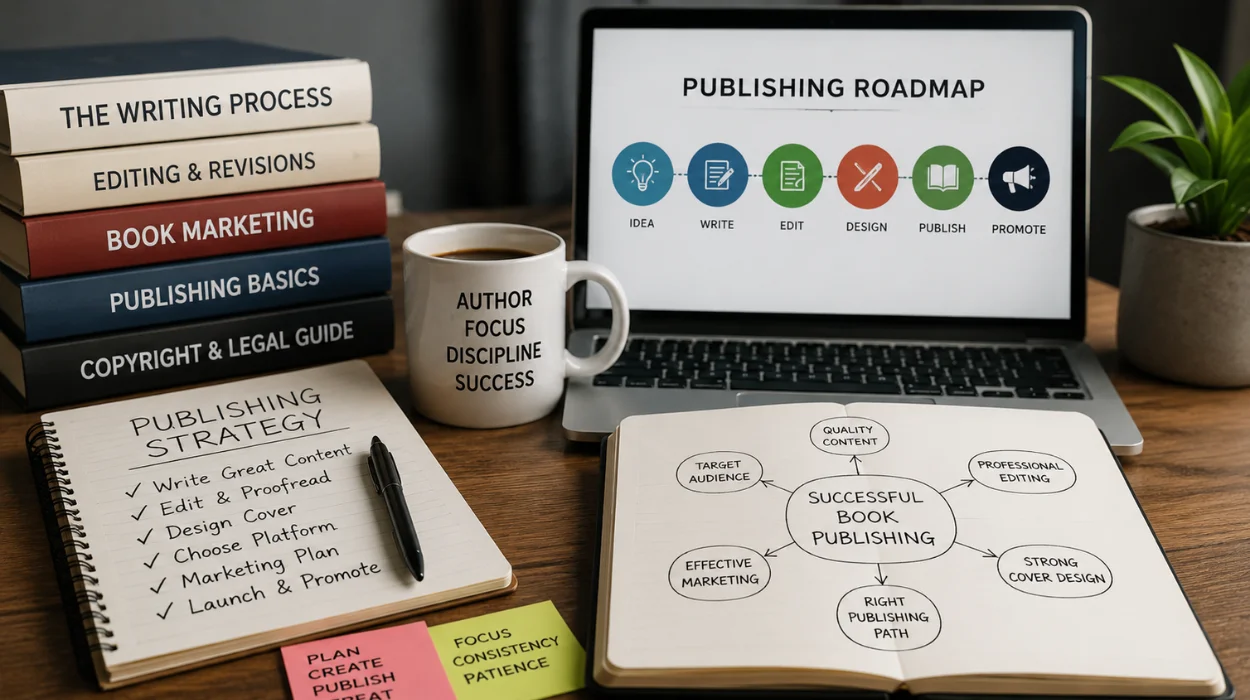
A content calendar can make this process easier. It can include the article title, target keyword, category, search intent, publishing date, and content status. Planning ahead also helps prevent repetitive subjects and allows different categories to receive appropriate attention.
For anyone who wants to start wizzydigital.org blog, consistency should be treated as a long-term commitment. A blog develops authority gradually. Each useful article contributes to the overall quality of the website, while an organized publishing process reduces rushed writing and improves editorial standards.
Use SEO Naturally in Every Article
Search engine optimization can help blog content become easier to discover. However, effective SEO is not simply about repeating a keyword many times. Search engines increasingly evaluate the overall usefulness, relevance, structure, and quality of content. Readers should always remain the primary audience.
A well-optimized article can include a clear title, descriptive headings, relevant keywords, related terminology, concise introductions, readable paragraphs, and useful examples. Keywords should appear naturally where they make sense. Overusing the same phrase can make an article uncomfortable to read and may reduce its overall quality.
As the start wizzydigital.org blog strategy develops, each article should have a specific search intent. Some posts may answer informational questions, while others may explain processes, compare options, or provide practical recommendations. Matching the content with the reason behind a search can improve relevance and create a better experience for visitors.
Develop Strong Article Structures
Article structure directly affects readability. Large blocks of uninterrupted text can make even excellent information difficult to consume. Clear headings allow readers to scan the article and quickly identify the sections that interest them.
A strong structure usually begins with an introduction that explains the topic and establishes why it matters. The main sections then explore individual ideas in a logical sequence. Supporting examples can make abstract concepts easier to understand, while bullet points can organize information when appropriate. The conclusion should summarize the main message without unnecessarily repeating the entire article.
When you start wizzydigital.org blog, establishing a consistent structural approach can improve the quality of future posts. However, consistency does not mean every article needs exactly the same template. Different topics may require different structures. Guides, trend reports, educational articles, and opinion-based pieces can each use formats that suit their purpose.
Focus on Original and Useful Information
Originality is an important factor in building a respected blog. Readers have access to enormous amounts of information online, so simply repeating common statements provides limited value. A stronger article adds explanation, practical context, examples, observations, or a fresh way of presenting familiar information.
Original content does not necessarily mean discussing a subject nobody has ever covered. Instead, it means approaching an existing subject with useful insight and clear communication. An article can become valuable by explaining difficult concepts in simpler language or organizing scattered information into a practical guide.
For start wizzydigital.org blog, quality should remain more important than quantity. Ten genuinely useful articles can provide more long-term value than dozens of thin posts created only to increase publishing volume. Every article should have a reason to exist and should leave the reader with something useful.
Build Topic Clusters for Long-Term Growth
A topic cluster is a group of related articles organized around a broader subject. This approach can help a blog develop depth instead of publishing disconnected content. For example, a website covering digital marketing might create a main topic around SEO and then publish supporting articles about keyword research, technical SEO, internal linking, content optimization, local SEO, and search performance.
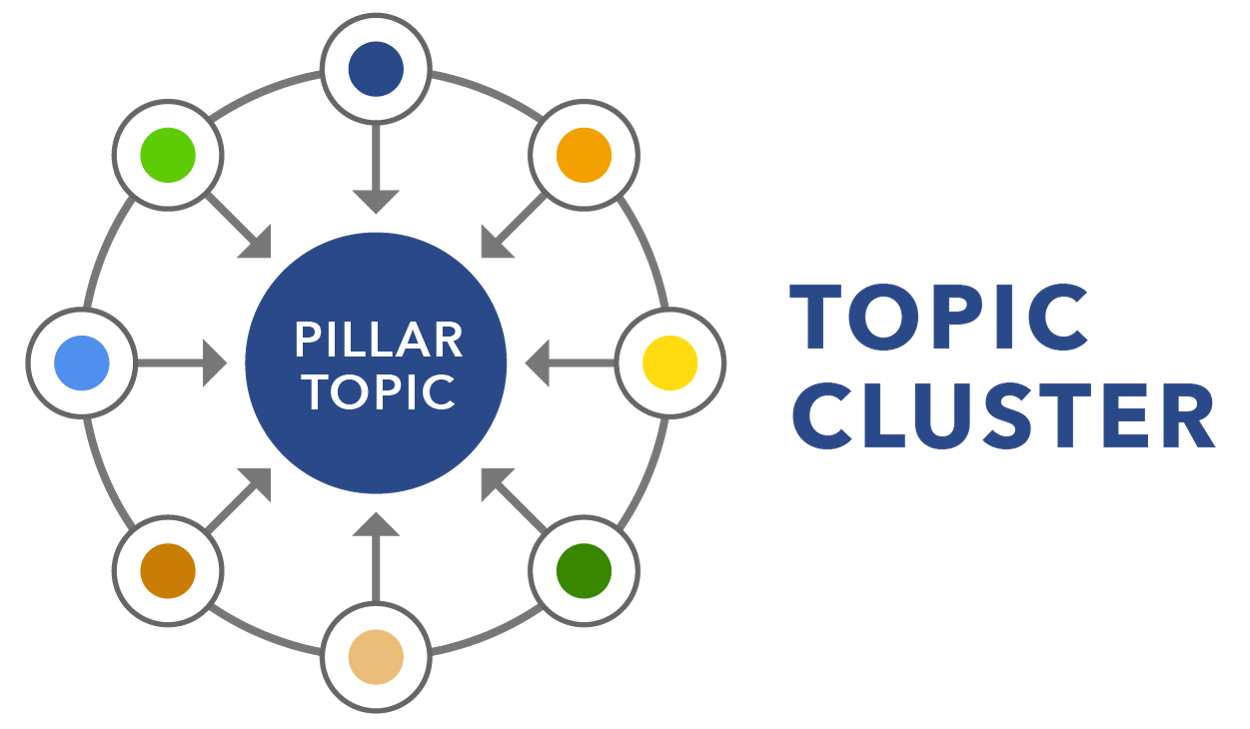
This strategy creates a broader information ecosystem. Readers who discover one article may naturally become interested in related posts. It also helps establish stronger topical relevance because the website demonstrates knowledge across different aspects of a subject.
As you start wizzydigital.org blog, planning content clusters early can prevent future confusion. Instead of asking what to publish every morning, you can work from a structured list of subjects and supporting topics. This makes content production more strategic and reduces the possibility of publishing several articles that cover nearly identical ideas.
Make the Blog Easy to Read
Good content should also provide a comfortable reading experience. Clear typography, logical spacing, descriptive headings, short sections, and straightforward language can make articles easier to consume. Readers often scan an article before deciding whether to read it completely, so visual organization matters.
Writing should avoid unnecessary complexity. Technical subjects can still be explained in accessible language without removing important details. Whenever a specialized term is necessary, briefly explaining it can help less experienced readers understand the subject.
The goal of start wizzydigital.org blog should be to create content that feels useful and approachable. A reader should be able to understand the main idea quickly while also having the opportunity to explore deeper information through the rest of the article.
Measure Performance and Improve Content
Publishing an article should not be considered the final step. Monitoring performance can reveal which subjects attract readers and which articles need improvement. Important signals can include organic traffic, impressions, engagement, search visibility, and the ability of individual pages to attract visitors.
Performance data can help guide future editorial decisions. If a particular subject consistently attracts interest, related topics may deserve additional coverage. If an article receives impressions but few clicks, its title or description may need improvement. If visitors leave quickly, the content may need stronger introductions or clearer organization.
Once you start wizzydigital.org blog, continuous improvement should become part of the publishing process. Updating older articles, improving explanations, expanding useful sections, and correcting outdated information can help maintain the quality of the overall blog.
Avoid Common Blogging Mistakes
New blogs often face several avoidable problems. One common mistake is publishing without a clear audience. Another is focusing entirely on keywords while ignoring readability. Some blogs also publish inconsistent content, use repetitive topics, or create articles that provide little information beyond what is already widely available.
Another problem is expecting immediate results. Building a strong online presence usually requires patience. Search visibility can develop gradually as more quality content is published and the website establishes a consistent topical identity.
If you start wizzydigital.org blog, avoid treating blogging as a short-term campaign. Think of it as a long-term digital asset. Each well-written article can continue providing value after publication, particularly when it answers questions that people repeatedly search for.
Create a Long-Term Content Vision
A successful blog should have a vision that extends beyond the first few months. Think about what the platform could become after dozens or hundreds of useful articles have been published. A strong content library can eventually cover an entire subject area and become a destination for readers looking for reliable information.
Long-term planning also makes it easier to identify opportunities for new content. Emerging technologies, changing consumer behavior, new digital strategies, and evolving search trends can all create fresh topics. At the same time, evergreen subjects can continue attracting readers for years.
The decision to start wizzydigital.org blog can therefore be the beginning of a broader digital strategy. With careful planning, consistent publishing, useful information, and ongoing optimization, a blog can gradually become a strong platform for audience development and online visibility.
Conclusion
Starting a blog successfully requires more than creating articles and publishing them online. It requires a clear purpose, audience understanding, thoughtful topic selection, consistent publishing, natural SEO, strong organization, and a commitment to providing genuine value. A blog becomes stronger when every article contributes something meaningful to the overall content library.
If you start wizzydigital.org blog with a long-term mindset, you can build a platform that continuously grows through useful and relevant content. Instead of chasing quick results, focus on creating a dependable resource that answers questions, explains important subjects, and gives readers reasons to return. With patience and a well-organized strategy, consistent blogging can become an important part of building a stronger digital presence.